

Why Payroll Software is Essential for Businesses of All Sizes
Payroll Management is one of the critical tasks for any business. Making sure that employees are paid on time is necessary for continuing the trust, compliance, and productivity. Regardless, manual payroll processing is time-consuming, open to errors, and difficult to manage as businesses grow. Here’s when the payroll software comes in, providing an effective and automated solution to shorten payroll operations.
Whether you own a small business or a large enterprise, investing in an automated payroll system can be very beneficial. Here, we will understand why payroll software is essential for businesses of all sizes and how it can improve payroll management.
1. Understanding Payroll Software
Payroll software is a digital solution that automates salary calculations, tax deductions, and compliance management. Unlike traditional manual methods, an HRMS payroll software ensures that payroll processes are handled with precision and efficiency.
It integrates with time-tracking systems, tax authorities, and financial records to automate salary processing while minimising the risk of errors. Additionally, payroll automation software helps businesses comply with labour laws and statutory regulations, making it an indispensable tool for payroll management.
2. Key Benefits of Payroll Software for Businesses
a) Accuracy and Error Reduction
Manual payroll processes are open to human errors, which leads to incorrect salary calculations, tax inaccuracies. The Payroll software reduces these errors by automating calculations, making sure that employees receive accurate payments, and eliminating the risk of compliance issues.
b) Time and Cost Efficiency
An automated payroll system considerably decreases the time invested on payroll processing. HR teams no longer need to manually input data or cross-check calculations, allowing them to focus on more planned tasks. Furthermore, by removing paperwork and administrative overhead, businesses can save ample amounts of costs in the long run.
c) Compliance and Tax Regulations
Compliance with labour laws and tax regulations is a major concern for businesses. Payroll errors can include fines and legal complications. HRMS payroll software considers that businesses remain compliant by automatically updating tax rates, generating reports, and processing deductions as per government regulations. This decreases the risk of penalties and ensures smooth financial operations.
d) Employee Satisfaction and Transparency
Timely and precise payroll processing is essential for employee satisfaction. Delayed or incorrect payments can lead to dissatisfaction and reduce the amount of productivity for the employees. With a payroll automation software, employees can access their payslips, tax statements, and leave records through their own portals. This transparency shows trust and empowers employees to manage their payroll-related queries on their own.
3. Why Every Business Needs Payroll Software
For Small Scale Businesses: Startups and small businesses often operate with very limited HR resources. A payroll automation software makes payroll processing very easy and efficient, allowing small business owners to focus on growth rather than administrative tasks.
For Medium-Sized Businesses: As organizations grow, payroll processing becomes more challenging. An HRMS payroll software helps medium-sized businesses streamline payroll operations while ensuring compliance and accuracy.
For Large Enterprises: Large enterprises have complex payroll structures with multiple locations and pay scales. A sturdy automated payroll system enables seamless payroll management for thousands of employees, reducing the administrative burden on HR teams and making the overall process smooth and easy.
4. How to Choose the Right Payroll Software
When selecting a payroll software, businesses should consider the following:
● User-Friendliness: The software should have an interface that is easy to use and navigate.
● Integration Capabilities: It should integrate seamlessly with accounting software, HRMS systems, and tax authorities.
● Compliance Support: The software should automatically update tax laws and labor regulations to ensure compliance.
● Scalability: Businesses should select a solution that can grow with their workforce.
● Customer Support: Reliable support is necessary for troubleshooting and ensuring smooth operations.
In today’s accelerated business environment, efficient payroll management is not only a requirement but a necessity. Payroll software offers automation, accuracy, compliance support, and scalability, making it an useful tool for businesses of any or all sizes. Whether you're a small business looking to simplify payroll or a large enterprise managing complex payroll structures, investing in an automated payroll system ensures efficiency, accuracy and peace of mind.
If you’re looking for reliable HRMS payroll software, explore Opportune HR for seamless and efficient payroll management. Empower your business with payroll automation and stay ahead in the competitive market.

The Role of HR Software in Managing a Growing Workforce
As businesses grow, so do the complexities of managing their workforce. Medium-sized enterprises and startups face unique HR challenges, from handling payroll efficiently to ensuring compliance with labour laws. This is where HR software for medium businesses comes into play. By automating core HR functions, streamlining payroll management, and improving employee engagement, HR software enables businesses to scale efficiently while maintaining a seamless workforce experience.
In this blog, we will explore the growing need for HR software, its benefits, and how it can help medium businesses stay ahead in a competitive landscape.
The Growing Need for HR Software in Medium Businesses
1. Increased Administrative Workload
When medium sized companies grow and expand, HR tasks like payroll, attendance tracking, recruitment, and compliance management consume more time as the process takes place manually. But as soon as medium businesses automate these processes, it decreases the burden on HR teams and allows them to focus on strategic initiatives.
2. Managing Payroll Efficiently
Payroll processing is one of the most critical HR functions, yet it is prone to errors when handled manually. SME payroll software ensures timely salary disbursement, accurate tax calculations, and automated compliance with statutory requirements. Businesses can avoid costly payroll mistakes and ensure employees receive their wages without delays.
3. Employee Onboarding & Engagement
A growing workforce means hiring and onboarding new employees efficiently. With HR software for startups, businesses can digitize the onboarding process, store employee records securely, and provide self-service portals for better employee engagement.
4. Compliance & Regulatory Challenges
Medium-sized businesses must comply with multiple labour laws and tax regulations. Non-compliance can result in penalties and legal complications. HR software for medium businesses helps companies stay updated with regulatory requirements, automatically generating compliance reports and ensuring legal obligations are met.
How HR Software Supports Workforce Management
HR software ends the entire process of manual work performed by HR teams. The software automates tasks such as leave tracking, payroll processing, attendance management, and employee record-keeping. Implementing these processes in terms of automation will improve efficiency and increase accuracy.
Streamlining Payroll for Medium Businesses
Payroll errors can disrupt business operations and damage employee trust. With payroll for medium business, HR software automates salary calculations, tax deductions, and benefits administration. It also provides insights into payroll trends, helping businesses optimize compensation structures.
HR software empowers employees with self-service portals where they can apply for leaves, track attendance, access payslips, and update personal information. This reduces HR workload and improves employee satisfaction.
Ensuring Compliance and Reducing Risks
Labour laws are ever-evolving, and staying compliant is crucial for business continuity. HR software provides real-time compliance updates, automated report generation, and audit-ready documentation, minimizing legal risks for medium businesses.
Key Features to Look for in HR Software for Medium Businesses
Automated Payroll Processing – Integration with tax and compliance systems.
Time & Attendance Tracking – Biometric or cloud-based attendance management.
Employee Self-Service Portal – Employees can access HR services anytime.
Performance & Workforce Analytics – Insights into employee productivity and retention trends.
Integration with Other Business Tools – Seamless connectivity with accounting and project management software.
A correct HR software for medium businesses is not only a requirement, but the need of the hour, to upgrade scaling. As soon as you automate HR processes, there is improvement seen in payroll, ensuring compliance, such HR software helps medium businesses and startups manage their increasing workforce efficiently.
If you're looking for a robust HR software for startups or medium-sized businesses, Opportune HR offers comprehensive solutions tailored to your needs. Explore their services today and take the first step toward streamlined HR management!
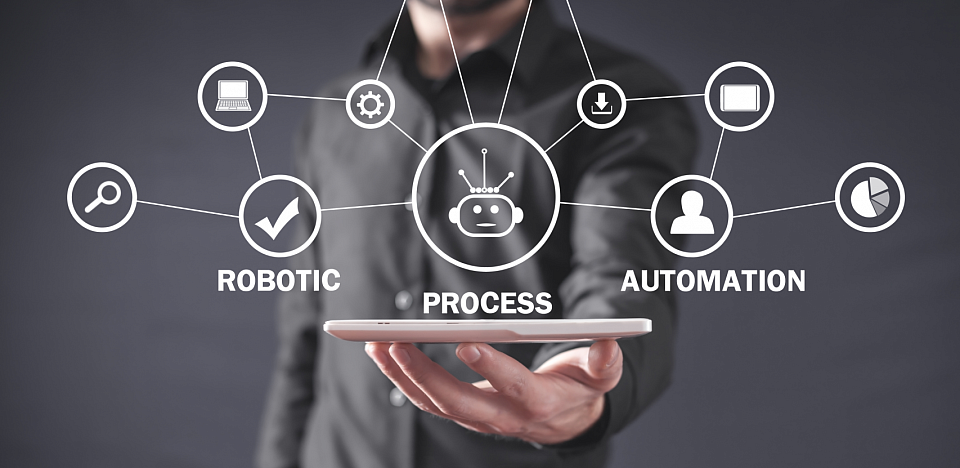
How Online Payroll Software Ensures Compliance and Accuracy
In today's growing business environment, managing payroll and delivering with frequently changing laws can be quite a task. However with correct tools, like online payroll software, companies can restructure the payroll process which will generate minimum to no errors, making sure they stay rigid with regulations while maintaining accuracy.
Understanding Compliance in Payroll
Payroll compliance refers to a company’s ability to meet legal requirements regarding employee compensation, tax deductions, and various employment laws. This includes staying updated with tax regulations rates, employee benefits, and national insurance contributions.
For many enterprises, particularly small to medium-sized enterprises (SMEs), staying on top of these complex requirements can be overwhelming. This is where online payroll software comes in, offering a solution to keep payroll in line with current laws, tax codes, and employment standards.
How Online Payroll Software Helps Maintain Compliance
One of the standout features of online payroll software is its ability to automatically calculate tax deductions, ensuring that every employee’s pay is processed in line with the latest tax rates and regulations. Whether it's Pay As You Earn (PAYE), National Insurance, or other employee-related deductions, payroll management software simplifies the process, eliminating the risk of human error.
Another significant advantage of online payroll software or hr payroll software is its ability to generate accurate tax reports and forms. The software automatically prepares essential documents such as P60s, P45s, and Real-Time Information (RTI) submissions to HMRC. It ensures that these forms are filed correctly and on time, preventing late filing penalties and reducing the administrative burden on HR teams.
Stay Current with Legal Changes
Employment laws are constantly evolving, and failing to keep track of these changes can have serious consequences for businesses. Online payroll software automatically integrates updates related to tax codes, minimum wage changes, and new employee benefit regulations. This reduces the risk of non-compliance and ensures that businesses never miss a crucial update.
Payroll software helps the businesses to maintain an audit trail of all payroll-related actions. This feature gives a detailed, traceable record of all the transactions, adjustment, and payment made. In an audit event, businesses can provide transparent evidence of compliance by having access to these records, which ultimately reduces the chances of fines or legal issues.
Accurate payroll processing is vital for employee satisfaction and legal compliance. Payroll errors can lead to incorrect payments, causing frustration among employees and potential disputes. Online payroll software significantly reduces the risk of such errors by automating key payroll processes.
Manual payroll processes are often prone to mistakes, whether it’s miscalculating overtime, holiday pay, or tax deductions. Online payroll software eliminates these errors by automating calculations and ensuring that data is entered consistently and accurately.
Benefits of Online Payroll Software for Businesses
By using online payroll software, businesses reduce the likelihood of making errors that could lead to fines or legal trouble. With automated tax calculations, timely filings, and adherence to employment regulations, businesses can avoid costly mistakes and stay in good standing with authorities like HM Revenue & Customs (HMRC).
Online payroll software eliminates the need for manual calculations, significantly reducing the time spent on payroll administration. For HR teams, this means fewer hours spent on processing payroll and more time dedicated to other important tasks, such as employee engagement and development.
Employee Trust and Satisfaction
Employees are dependent on timely and accurate pay to manage their costs. Businesses can make sure that their employees are paid on time without compromising in numbers by using payroll management software, this generates trust and employee satisfaction, which ultimately improves retention and overall workplace morale.
In conclusion, Online
payroll software is a vital tool for establishing compliance and accuracy in
the process of payroll. Now with this tool, businesses can protect themselves
by automating tax calculations, generating accurate reports, keeping themselves
updated with legal changes, and reducing the errors. All these processes will
reduce the company cost to a certain extent and maintain employee satisfaction
at the same time. Subsiding in reliable payroll software will
grant your business's long term success and growth.
You can check out Opportune HR for online payroll software services as
they are a top HRMS provider in India, serving numerous SMEs and MNCs with
custom software solutions. Visit their website for more on their software
services.
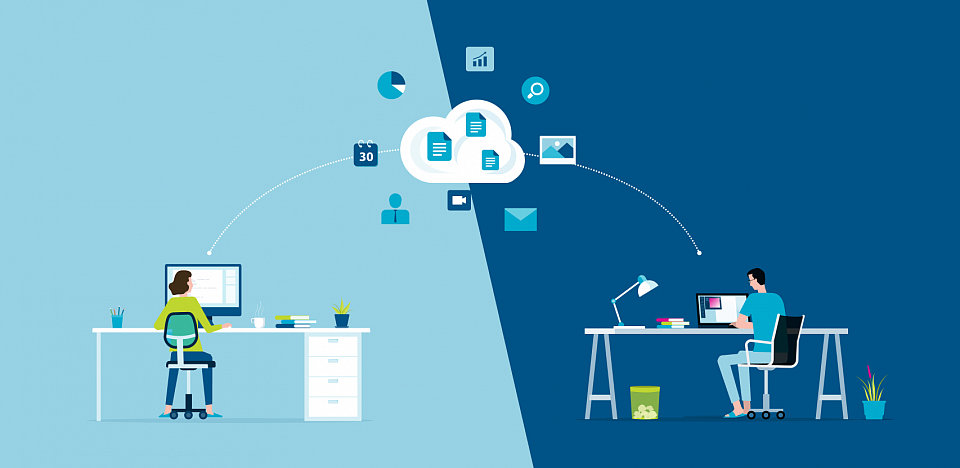
Why Cloud-Based HR and Payroll Software Is the Way of the Future
In today’s fast-paced business world, human resources and payroll management are essential for maintaining efficient operations. Previously, companies handled these crucial tasks using manual procedures or on-premise software. But the arrival of cloud-based HR and payroll software has modernised businesses in handling their employees.
Cloud-based solutions are emerging as the HR and payroll management of the future, with growing industry adoption. In this blog, we talk about the benefits of cloud-based HR and payroll software, as well as why every company must invest in it.
1. What is Cloud-Based HR and Payroll Software?
Cloud-based HR and payroll software provides a digital solution accessible online, with data securely hosted on remote servers. Cloud solutions offer a more scalable and adaptable method than conventional on-premise systems, which call for physical infrastructure and maintenance. These platforms give companies a centralized online solution to handle payroll processing, personnel records, tax compliance, leave monitoring, and other HR-related duties.
2. Principal Advantages of Cloud-Based HR and Payroll Software
a) Remote Workforce Management and Accessibility
Accessibility is one of the biggest benefits of cloud-based HR software and payroll software. HR operations can be managed remotely by companies with remote workers or a dispersed workforce. To make all the processes smooth, employees and HR teams can access pay slips, update personal information, ask for a sick leave, and track work hours from any accessible device.
Manual work can lead to errors and inefficiencies which is common in payroll and HR procedures. Payroll processing, tax computations, compliance monitoring, and attendance management are just a few of the vital processes that cloud-based systems automate. Automation improves overall efficiency, minimises human error, and lessens administrative workload.
Cloud-based HR and payroll solutions function on a subscription basis, in contrast to conventional on-premise software that necessitates significant upfront infrastructure investments. Companies can reduce expenses related to hardware upgrades, maintenance, and software updates. Due to this, cloud solutions are quite affordable, particularly for small and midsized businesses trying to streamline their HR activities without exceeding the budget.
Compliance with payroll and HR regulations is intricate and dynamic. Cloud-based software helps firms stay compliant by guaranteeing automatic updates to labour and tax rules. To prevent breaches and unwanted access to sensitive employee data, these platforms also provide sophisticated security features like encryption, multi-factor authentication, and role-based access control.
3. Cloud-Based HR and Payroll Software's Future
As technology advances, the landscape of payroll and HR keeps changing. The following significant themes will influence cloud-based HR and payroll software in the future:
Solutions Focused on Mobile: Employees can access payroll information, request leave, and verify attendance, thanks to the growing number of companies implementing mobile HR apps.
Blockchain for Payroll Security: Blockchain technology is being investigated to improve transaction security, reduce fraud, and increase payroll transparency.
Portals for employee self-service: Giving workers more control over their personal data, benefits, and work schedules, which reduces HR intervention and makes the entire process more agile.
4. How to Pick the Best Cloud-Based HR and Payroll Software
Businesses should take into account the following when choosing an HR and payroll solution:
● Scalability: Can the software grow and expand with your company?
● User-Friendliness: Is it easy to use and navigate the interface?
● Integration Opportunities: Is there any possible way to integrate it with current Enterprise Resource Planning (ERP), Customer Relationship Management (CRM), or accounting systems?
● Security and Compliance: Does it guarantee legal compliance and provide strong security features?
● Customer service: Is any specialised assistance available for questions and troubleshooting?
For companies hoping to remain competitive, moving to cloud-based HR and payroll software is now essential rather than optional. Cloud-based solutions are transforming HR management through improved accessibility, automation, cost savings, compliance, and integration capabilities. Organisations that use cloud-based HRMS will gain more flexibility, security, and efficiency as technology develops.
Explore Opportune HR's cutting-edge technology if you're thinking about switching to a cloud-based HR and payroll solution for smooth HR administration and payroll automation.
HR Software for Small Businesses: Is It Worth the Investment?
Human Resources management in a small scale business can become quite hectic. HR tasks consume a lot of time and effort, right from compliance management to payroll processing. Compliance risks and inefficiencies are a part and parcel of many small business owners who rely on manual processes. Here is when HR software comes in. In this blog we’ll find out how HR software can be used for small businesses and whether it's worth the investment.
Challenges Faced by Small Businesses in HR Management
Small businesses frequently operate with limited resources, which makes HR management quite a task. Some common challenges are as follows:
Administrative Overload: Handling payroll, leave management, and recruitment manually consumes valuable time.
Compliance Issues: Keeping up with labour laws and tax regulations can be complex.
Data Management Risks: Storing employee records in spreadsheets increases the risk of errors and data breaches.
Inefficient Hiring & Onboarding: A slow recruitment process can affect business growth.
Benefits of HR Software for Small Businesses
Routine tasks such as payroll processing, attendance tracking, employee onboarding, etc are automated by HR software. This tool increases productivity of business owners and skips spending hours on administrative work, which leads them to growth and success.
2. Ensures Compliance & Reduces Errors
HR software helps businesses stay compliant with tax regulations and labour laws. Features like automated tax filing and document management reduce the risk of legal penalties. Businesses in regulatory-intensive cities like Mumbai and Kolkata can particularly benefit from robust HRMS software solutions.
3. Cost-Effective in the Long Run
While some small businesses hesitate to invest in HR software due to upfront costs, it often proves cost-effective. Automating HR tasks reduces the need for additional HR personnel, saving payroll expenses.
4. Enhances Employee Experience
Self-service portals allow employees to apply for leaves, access pay slips, and update personal details without HR intervention. A streamlined experience improves employee satisfaction and retention.
5. Secure Data Management & Accessibility
Businesses can be continued in hybrid mode as well as cloud based HRMS makes sure to provide secure storage and remote access.
Cost Considerations: Is It Affordable for Small Businesses?
The cost of HR software varies based on features, number of users, and deployment type. Many providers offer flexible pricing models:
Subscription-Based Plans: Pay a monthly or annual fee based on the number of employees.
One-Time Purchase: Ideal for businesses preferring long-term ownership.
Freemium Options: Some HR software offers free versions with limited features, suitable for startups.
Investing in HR software is justified for a long run, as it reduces manual administrative work, fewer compliance fines, and better employee management.
How to Choose the Right HR Software for Your Small Business
With various HR software solutions available, selecting the right one is crucial. Consider the following factors:
Business Needs: Identify whether you need basic HR functions or a full-suite HRMS software.
Key Features: Look for payroll automation, attendance tracking, employee self-service, and compliance tools.
Ease of Use: Select an intuitive interface to ensure easy adoption by employees.
Scalability: Choose software that can grow with your business.
Customer Support & Reviews: Check user feedback and availability of support services.
Conclusion: Is HR Software Worth the Investment?
For small businesses, investing in HR software is more than just a cost—it's a step towards efficiency, compliance, and employee satisfaction. While the initial expense may seem like a hurdle, the long-term benefits far outweigh the costs. Companies which are implementing HRMS software in Mumbai or HRMS software in Kolkata can be a game-changer for your business. If your small business is managing HR manually, try switching it to automation. Opportune HR offers customized HR solutions which will meet your small scale businesses particular needs, making HR management efficient, smooth, and effortless.
Top Features to Look for in HR Software for Your Business
Handling human resources effortlessly is necessary for any growing business. From payroll processing to employee engagement, HR operations require precision, compliance, and automation. This is where HRMS and payroll software plays an evolutionary role.
The right HR and payroll software can streamline daily HR tasks, improve workforce management, and ensure payroll accuracy. However, with numerous options available, businesses must choose software that aligns with their needs. This blog explores the top features businesses should look for in HRMS payroll software to optimize their HR operations.
Why Choosing the Right HR Software Matters
A stereotypical thought often considers that HR management is just about handling salaries and employee records, but it is more than that.
A well-structured HRMS and payroll software simplifies processes, enhances employee satisfaction, and ensures legal compliance. Without an automated efficient system, businesses risk payroll errors, compliance violations, and administrative inefficiencies, which any growing company wouldn't want to experience.
By investing in advanced HR and payroll software, businesses can reduce manual workloads, improve data security, and gain real-time insights into workforce performance.
Must-Have Features in HR Software
1. Payroll Management & Compliance
Payroll is one of the most critical functions of HR. An ideal HRMS payroll software should offer:
● Automated salary calculations and tax deductions.
● Compliance tracking for labour laws and statutory requirements.
● Integration with accounting systems for financial accuracy.
● Customizable payroll structures based on business needs.
2. Employee Self-Service Portal
Empowering employees with a self-service portal minimizes HR workload and enhances engagement. Features to look for include:
● Payslip access and tax-related document downloads.
● Leave application and approval tracking.
● Personal information updates without HR intervention.
3. Attendance & Leave Management
A robust HRMS and payroll software should provide:
● Biometric or cloud-based attendance tracking.
● Automated leave management with custom policies.
● Seamless integration with payroll for accurate salary deductions.
4. Recruitment & Onboarding Tools
Hiring and onboarding new employees can be time-consuming. An ideal HR and payroll software should include:
● Applicant tracking system (ATS) for efficient recruitment.
● Digital onboarding to reduce paperwork and speed up integration.
● Structured workflows for document submission and verification.
5. Performance & Employee Management
Tracking employee performance and managing appraisals is crucial for business growth. Features should include:
● Goal setting and performance evaluation tools.
● Continuous feedback and appraisal management.
● Training and development tracking.
6. Cloud-Based Accessibility & Mobile Support
Modern businesses require flexibility, making cloud-based HRMS payroll software a necessity. Key benefits include:
● Remote access to HR data anytime, anywhere.
● Mobile-friendly platform for ease of use.
● Automatic software updates and data backups.
7. Integration with Other Business Tools
HR software should integrate seamlessly with other essential business tools, such as:
● Accounting and finance software for streamlined payroll processing.
● CRM and project management tools for enhanced productivity.
● Time-tracking and attendance systems for better workforce management.
Protecting employee data is a top priority. A reliable HRMS and payroll software should provide:
● Role-based access control to restrict unauthorized access.
● Data encryption and compliance with data protection regulations.
● Secure cloud storage with regular backups.
How to Choose the Right HR Software for Your Business
When selecting an HRMS and payroll software, businesses should consider:
Scalability – How big of an expansion can the
software help in your business to grow, and how fast the growth is seen.
User-friendliness – Making the
interface for the user easy to operate.
Customer support – The customer
support providing prompt assistance.
Customization – Software adapting to business-specific HR policies.
Investing in the right HRMS and payroll software is essential for businesses looking to streamline HR operations, ensure compliance, and enhance employee experience. From payroll automation to seamless integration with other tools, the right features can make a significant difference in business efficiency.
For businesses seeking a comprehensive HR and payroll software, Opportune HR offers feature-rich solutions designed to simplify workforce management. Explore Opportune HR’s platform today and experience a smarter way to manage your HR processes!
https://www.opportunehr.com/payrollsoftware
How HRMS Software Enhances Employee Engagement and Productivity
In today’s fast-paced business world, employee engagement and productivity play a crucial role in an organization’s success. However, HR teams often struggle with outdated processes that hinder efficiency and morale. This is where HRMS software steps in, transforming HR operations by automating key processes and fostering a more engaged workforce.
HRMS (Human Resource Management System) software streamlines HR operations, enhances employee experience, and improves overall efficiency. This blog explores how HRMS software contributes to higher engagement and productivity, making it a must-have for modern organizations.
1. Understanding Employee Engagement and Productivity
Employee engagement refers to an employee’s emotional commitment to their organization and its goals. Engaged employees are more motivated, productive, and likely to stay with the company long-term. Productivity, on the other hand, measures the efficiency of employees in completing their tasks.
A lack of engagement can lead to increased turnover, low morale, and reduced efficiency. Common challenges include ineffective communication, lack of recognition, and tedious administrative tasks. By addressing these pain points, HRMS software helps organizations create a more motivated and productive workforce.
2. Role of HRMS Software in Boosting Employee Engagement
Automated Onboarding Experience
A smooth onboarding process sets the tone for a new hire’s experience. HRMS software automates onboarding tasks, providing new employees with seamless access to essential documents, training materials, and company policies. This reduces stress and enhances engagement from day one.
HRMS software empowers employees by allowing them to manage their own information, request leaves, access payslips, and update personal details. This eliminates the need for constant HR intervention and gives employees greater control over their HR-related tasks, leading to higher satisfaction levels.
A key driver of engagement is continuous feedback. HRMS software facilitates goal-setting, performance tracking, and regular appraisals. Employees receive constructive feedback, helping them stay motivated and aligned with company objectives.
An engaged workforce thrives on continuous learning. HRMS software integrates learning management systems (LMS) that offer training programs, skill development courses, and career growth opportunities. Employees feel valued when given the chance to enhance their skills, leading to increased motivation and productivity.
Employee recognition fosters motivation. HRMS software enables organizations to implement peer-to-peer recognition programs, performance-based rewards, and gamification strategies. A well-structured rewards system enhances employee morale and strengthens workplace relationships.
3. How HRMS Software Improves Employee Productivity
HRMS system automates attendance tracking, reducing the errors associated with manual processes. Employees can clock in digitally, track their working hours, and manage leave requests, ensuring better time management and efficiency.
HRMS software eliminates repetitive manual tasks such as payroll processing, report generation, and compliance tracking. This allows HR professionals to focus on strategic initiatives while employees can dedicate more time to high-value work.
Advanced analytics in HRMS software help organizations identify productivity patterns, monitor workforce performance, and make data-driven decisions. Predictive analytics can also help in identifying potential engagement issues before they escalate.
Effective communication fosters collaboration and teamwork. HRMS software integrates internal communication tools, enabling employees to interact seamlessly with their teams and HR professionals, improving workflow efficiency.
4. Choosing the Right HRMS Software for Your Organization
When selecting an HRMS software, organizations should consider factors such as user-friendliness, scalability, integration capabilities, and security. Ensuring that the software aligns with business goals and employee needs is crucial for successful implementation.
To maximize benefits, companies should provide proper training and encourage employees to adopt the system smoothly.
HRMS software is a game-changer in enhancing employee engagement and productivity. By automating routine tasks, providing valuable insights, and fostering a culture of learning and recognition, HR automation helps organizations build a more efficient and motivated workforce.
Investing in the right HRMS software ensures a thriving workplace where employees feel empowered and engaged .Click here to explore Opportune HR’s HRMS solution now!
https://www.opportunehr.com/hrms-software
The Future of Payroll: Why Automation is No Longer Optional
Traditional payroll management has undergone a significant transformation over the years. What was once a manual, time-consuming process has become increasingly automated to keep pace with the complexities of modern business.
Today, as companies face challenges in compliance, workforce management, and operational efficiency, payroll automation is no longer just a "nice-to-have" feature—it is a necessity. In this blog, we explore why businesses can no longer afford to ignore payroll automation and how it shapes the future of work.
Challenges of Traditional Payroll Systems
Traditional cloud payroll systems are riddled with inefficiencies and risks that make them unsustainable for businesses aiming to scale and adapt.
● Time-Consuming Processes: Manual payroll involves manual data entry, calculations, and reconciliations, consuming valuable HR resources.
● Human Errors: Mistakes in calculations or compliance can lead to costly penalties and employee dissatisfaction.
● Scalability Issues: As companies grow, managing payroll manually becomes increasingly complex and resource-intensive.
● Limited Insights: Traditional systems lack the ability to generate actionable data, hindering strategic decision-making.
Benefits of Payroll Automation
Automation offers several key advantages that make it an indispensable tool for modern businesses:
● Accuracy and Compliance: Automated systems eliminate human errors, ensuring accurate calculations and adherence to local labour laws and tax regulations.
● Time and Cost Efficiency: By reducing manual effort, payroll automation frees up HR teams to focus on strategic tasks, resulting in significant cost savings.
● Scalability: Automated solutions can handle payroll services for growing teams effortlessly, accommodating new hires or organisational changes.
● Employee Satisfaction: Timely and error-free payments boost employee trust and engagement.
● Real-Time Reporting: Payroll automation provides instant access to comprehensive reports, enabling data-driven decisions.
The Role of Emerging Technologies
The future of payroll automation is being shaped by cutting-edge technologies that enhance functionality and efficiency:
● AI and Machine Learning: Predictive analytics helps HR teams forecast payroll trends and optimise workforce planning.
● Cloud-Based Systems: These platforms offer remote access, real-time updates, and improved data security.
● Integration with HRMS: Seamless integration ensures smooth data flow between payroll, attendance, and benefits systems.
● Blockchain: This technology ensures transparency and security, reducing the risk of fraud in payroll processing.
Why Businesses Can’t Afford to Delay
Delaying payroll automation can have significant repercussions:
● Regulatory Pressures: Increased compliance requirements mean higher risks for businesses relying on manual systems.
● Competitive Disadvantage: Inefficient payroll processes can hinder growth and innovation.
● Workforce Expectations: Today’s employees expect modern, transparent payroll systems that ensure timely and accurate payments.
Businesses that have embraced payroll automation report reduced costs, increased compliance, and improved employee satisfaction. For example, a mid-sized enterprise streamlined its payroll for 1,000 employees, cutting processing time by 60% and eliminating errors entirely.
Steps to Embrace Payroll Automation
Transitioning to payroll automation doesn’t have to be daunting. Follow these steps for a smooth implementation:
Assess Current Challenges: Identify inefficiencies and pain points in your existing payroll process. Research Tools: Evaluate different payroll automation platforms to find one that aligns with your business needs. Implementation Plan: Roll out the solution in phases, starting with pilot testing to address potential issues. Training: Provide training for HR teams to maximise the platform’s capabilities.
The future of payroll is automated. Businesses that embrace this transformation will not only ensure operational efficiency but also foster employee trust and regulatory compliance. With automation, payroll becomes more than just a back-office function—it becomes a strategic asset for growth.
If you’re still relying on manual payroll processes, now is the time to explore automation. Opportune HR is one of the best companies that provide automated payroll software. They won a couple of awards in 2024 for their work in HR automation. Check out Opportune HR to learn more about their services.
https://www.opportunehr.com/payrollsoftware
How SME Software Helps Small Businesses Scale Without Breaking the Bank
Scaling a small business is no joke. From handling payroll to ensuring HR operations go smoothly, the challenges can be a lot to manage. Add these operational challenges to the tight budgets that startups and medium enterprises usually have, and there’s no margin for error.
The truth is, the good news is that HR Software for SMEs and payroll for medium businesses are all aimed at small businesses starting easily and successfully without breaking the bank. So let’s explore how these tools enable your business to scale smarter instead of harder.
1. Simplify HR Processes and Focus on Growth
HR done manually can be a time-consuming exercise that can eat up a significant part of your resources as you grow your team. Automated hiring, onboarding and performance tracking, among many other tasks is where HR software comes into play for SMEs.
Now picture simply saving hours sorting through piles of paperwork or sifting
through employee data! With streamlined HR processes in place, small businesses
can focus on their core objectives, such as winning new clients or improving
their products. Even HR software for startups
provides affordable solutions that are both intuitive and scalable, so growth
doesn’t need to come at the expense of efficiency.
2. Cost-Effective Payroll Management
When payroll becomes tricky in a growing business, Mistakes in salary calculations or tax compliance can result in unhappy employees and expensive penalties. Fortunately, payroll for medium business solutions is designed to manage these complexities.
Automation of payroll tasks such as salary disbursement, tax deductions, and
compliance checks help businesses to save both time and money. Besides, these
systems don't require external payroll consultants, thus being budget-friendly
for SMEs. In your business, a smooth payroll keeps your employees happy and
compliant on both ends of your operation.
3. Empower Your Team With Self-Service Tools
Empowered employees are engaged employees, and HR software for startups often includes self-service portals that make this possible. These tools let team members access their payslips, request leaves, and update personal details all without involving the HR team.
This autonomy not only reduces administrative workloads but also boosts employee satisfaction. When employees feel in control of their data, trust and transparency within the organisation are fostered. These tools are a simple yet powerful addition for small businesses looking to build a motivated team.
4. Software That Grows With Your Business
Scaling often brings growing pains, but the right software can ease the transition. HR software for SMEs and payroll for medium business solutions are designed with scalability, allowing you to seamlessly add new employees, expand to new locations, or handle more complex operations.
For example, modular systems enable you to start with basic features and upgrade as your needs evolve. Whether adding a handful of new hires or doubling your workforce, the software adapts without requiring a costly overhaul. This flexibility ensures your business can grow without worrying about outgrowing your systems.
5. Affordable Tools for Startups and Medium Businesses
One of the biggest myths about software solutions is that they’re expensive. The truth? Many HR software for startups and payroll for medium business options offer flexible pricing models tailored for smaller budgets.
From pay-as-you-go plans to modular features, these tools provide big benefits without the hefty price tag. The return on investment (ROI) significantly reduces administrative costs, increases efficiency, and supports employee satisfaction.
Scaling a small business doesn’t have to come at the expense of efficiency or your budget. With tools like HR software for SMEs and payroll for medium businesses, you can streamline operations, empower your team, and confidently scale your business. These solutions are designed to grow with you, ensuring you stay agile and competitive in today’s fast-paced market.
Looking for reliable, cost-effective software tailored for small and medium businesses? Opportune HR Software is a trusted name in HR and payroll solutions.
https://www.opportunehr.com/SME-HRMS
The Role of Payroll Software in Managing Remote Teams
Remote work is upending the way companies are run, providing flexibility and access to a worldwide talent pool. However, this shift also brings distinct challenges, particularly in handling payroll for remote employees. The process can easily get complicated, from tracking work hours across time zones to staying within the bounds of local tax laws.
This is where online payroll software comes in to save the day. Let us discuss how the best payroll software makes payroll management easy and drives efficiency in remote teams.
1. Automation: Simplifying Payroll Management
Imagine manually processing salaries for a team scattered across the globe. The errors, delays, and frustrations can pile up quickly. With the best payroll software, you can automate critical tasks like calculating salaries, deducting taxes, and processing payments.
Automated timesheets and attendance tracking ensure remote employees are compensated for their hours worked and reduce the chances of overpayments or missed paychecks. Payroll software assumes these tedious chores, freeing your HR teams to work on strategic initiatives that add value to your business.
2. Centralized Accessibility for Distributed Teams
Managing payroll across multiple locations doesn’t have to be a logistical nightmare. Online payroll software allows HR teams to access and update payroll systems from anywhere.
A centralized, cloud-based platform allows businesses to manage payroll for remote teams seamlessly. Whether operating in different cities or countries, you can ensure everyone gets paid on time. Companies leveraging payroll software in India are particularly benefiting from this flexibility, enabling smooth operations for their distributed workforces.
3. Compliance: Tackling Tax and Regulatory Challenges
Compliance is a major hurdle for remote payroll management. Tax regulations vary by location, and staying updated on these changes can be a daunting task. The best payroll software simplifies this by automatically updating tax laws and ensuring compliance.
For companies managing remote teams across borders, payroll software takes care of tax deductions, social security contributions, and benefits calculations with precision. This not only minimises the risk of penalties but also builds trust with employees, knowing their payroll is managed accurately.
4. Employee Self-Service Portals: Empowering Your Team
Remote employees often feel disconnected from their organisations, but a little transparency can go a long way. Modern online payroll software comes equipped with self-service portals, allowing employees to access their payslips, update their bank details, and review payroll information in real-time.
This empowerment reduces the burden on HR teams while boosting employee trust and satisfaction. Transparency in payroll processes creates a positive experience, reinforcing the connection between remote workers and their organizations.
5. Data Security: Safeguarding Employee Information
With sensitive payroll data being processed online, security is a top concern. Leading online payroll software ensures robust data protection measures like encryption, multi-factor authentication, and automatic backups.
For companies using payroll software in India, these security features are particularly critical in adhering to privacy regulations and maintaining employee trust. Payroll systems also provide secure access controls, ensuring only authorized personnel can handle sensitive information.
6. Scalability: Growing with Your Remote Team
As your remote team grows, your payroll system needs to grow. The best payroll software is designed to scale effortlessly, handling increased headcounts, new locations, and more complex payroll requirements.
Whether you’re a startup onboarding your first remote employees or an enterprise expanding into new markets, payroll software adapts to your needs without compromising efficiency.
Conclusion: Revolutionizing Remote Payroll Management
Managing payroll for remote teams doesn’t have to be a daunting task. With the right online payroll software, you can simplify payroll processes, ensure compliance, and empower your employees while scaling your operations seamlessly. From automation to robust security and real-time accessibility, the best payroll software is your ally in navigating the remote work era.
Take the stress out of payroll management with Opportune HR Software. Trusted by businesses across India, Opportune HR offers cutting-edge payroll solutions built to handle remote teams' complexities.
https://www.opportunehr.com/payrollsoftware
How HRMS Software Enhances Employee Engagement and Retention
In today's fast-paced world, enhancing employee engagement while lowering turnover rates has become one of the greatest challenges to organisations. Replacing an employee is not just a financial gap; it impacts productivity, morale and even a company’s reputation. But here’s the good news, HR management software (HRMS) is revolutionising the game.
The days of HR’s head buried in a mountain of paper are behind us. You can
revolutionize employee satisfaction and create a loyal workforce with the right
tools. We will explain how HRMS software promotes
engagement and retention in ways you never considered.
1. The Engagement Bridge: Connecting Employees and Employers
Think about this: how often do your employees feel heard and valued? For many organisations, the answer isn’t promising. This is where HRMS software steps in.
Modern HRMS platforms include features like employee self-service portals, where team members can view payslips, request leaves, and update their details without waiting on HR. Real-time feedback systems and goal-setting tools ensure employees know where they stand and what’s expected.
When communication flows seamlessly, and employees feel empowered to manage their work, their engagement levels naturally increase.
2. Automate Tasks, Focus on People
Why waste hours processing payroll or manually tracking attendance when HR automation can handle it? Using HRMS, repetitive tasks such as salary computation, compliance monitoring, and leave management, become simple.
It’s not only about speeding time up. This means focusing your HR team’s energy
on initiatives that matter, like team-building, one-on-one mentoring, and
personal growth programs. Employees recognise when their organization takes
time to invest in them, and that trust runs deep regarding loyalty.
3. Personalised Experiences: Making Employees Feel Valued
Imagine receiving a birthday message or being enrolled in a course tailored to your career growth automatically. These small but impactful gestures are possible with HRMS platforms.
Using data insights, HRMS software can recommend personalised training, curate rewards programs, and even create customised career paths for employees. Companies using HRMS software in Mumbai, for example, are leveraging these tools to create a highly engaged workforce that feels valued and motivated.
Personalisation shows employees that they’re more than just a number, strengthening their commitment to the organisation.
4. Recognition and Rewards, Simplified
A culture of recognition is one of the strongest pillars of engagement. But let’s face it—manual recognition processes often fall short. HRMS software solves this by automating rewards programs and performance dashboards.
Whether it’s celebrating milestones, tracking achievements, or providing performance bonuses, HRMS ensures that no effort goes unnoticed. Employees who feel appreciated are more productive and more likely to stay with your organization long-term.
5. Insight-Driven Engagement Strategies
Do you know what’s driving your employees to stay—or leave? The analytics tools within human resource management software give you the answers.
HRMS software provides actionable insights into your workforce, from employee satisfaction surveys to turnover metrics. Tracking these trends allows you to identify engagement gaps and act before they escalate into bigger problems.
When you base your retention strategies on data, you’re no longer guessing, or making informed, impactful decisions.
6. Why Mumbai Companies Are Ahead in HRMS Adoption
Businesses using HRMS software in Mumbai are setting benchmarks, especially in industries with high employee churn rates. These solutions are tailored to handle local compliance requirements, making it easier for companies to focus on growth.
From startups to large enterprises, organizations in Mumbai are leveraging HRMS to create an engaged workforce, proving that technology is key to sustainable business success.
Conclusion: Empower Your Workforce, Retain Your Talent
The pillars of a successful business are employee engagement and retention. However, investing in tools like HRMS software is not only about streamlining operations. It promotes a culture where employees feel appreciated, inspired, and encouraged to do their best work. Human Resource Management Systems software is revolutionising how organisations manage and support their workforce with features like automation, personalised experiences, and real-time insights.
Contact Us If your HR operations need a revolution, and employee satisfaction is high on your list of priorities, Opportune HR Software is the solution you are looking for. As one of the best HRMS providers in Mumbai, Opportune HR provides customised HR solutions to all your business needs.
https://www.opportunehr.com/hrms-software
Choosing the Right HR Software for Your Industry: A Sector-Specific Guide
Streamlining HR operations is crucial for any business aiming to enhance productivity and employee satisfaction. While generic HR software might cover basic and generic needs, choosing a solution tailored to your industry ensures you address specific challenges effectively. This guide will help you understand how to select the right HR software for your industry and avoid common pitfalls.
Understanding Industry-Specific HR Needs
Every industry has its own unique set of challenges which require unique solutions. Retail and e-commerce sectors often deal with dynamic scheduling and seasonal hiring. Healthcare organisations require compliance tools for regulations like HIPAA and features for tracking employee credentials. IT and technology companies prioritise skill assessment, training modules, and remote work capabilities. Manufacturing industries rely on robust time tracking and safety compliance tools, while educational institutions benefit from systems designed to manage faculty performance and administrative processes. Recognizing these specific needs is critical to finding HR software that truly aligns with your operations.
Let’s have a look at each industry in detail.
Key Features to Consider for Different Industries
Each industry has distinct priorities, and the HR software they use should reflect those:
● Retail and E-commerce: Retail businesses require software that can efficiently handle dynamic scheduling to manage employees across shifts. During peak seasons, the ability to quickly onboard seasonal staff is vital. Integration with POS systems can also provide valuable insights into employee performance relative to sales.
● Healthcare: Compliance with healthcare regulations like HIPAA is critical. HR software should offer features like automated credential tracking to ensure that employees’ certifications and licenses are up to date. Additionally, tools for managing emergency shift swaps and scheduling can help healthcare providers maintain uninterrupted services.
● IT and Technology: In the tech industry, employee skill development is a constant focus. HRMS and payroll software should include training modules, performance tracking, and integration with project management tools to monitor resource allocation and productivity. Support for remote work policies, including time tracking and communication tools, is also essential.
● Manufacturing: Manufacturing industries need robust solutions for time tracking and shift management to optimise large workforces. Compliance with safety regulations is also very critical here, so the software should include tools for monitoring workplace safety protocols and managing equipment maintenance records.
● Education: Educational institutions benefit from software that facilitates faculty performance reviews, tracks student-teacher interactions, and automates administrative processes like payroll and attendance. Features to support adjunct faculty and part-time staff management are particularly valuable.
Tailored features not only improve functionality but also streamline operations, saving time and resources.
Steps to Evaluate and Choose the Right HR Software
Selecting the right HR software involves thorough evaluation. Here’s how to approach it:
● Assess Your Needs: Identify your must-have features and set a budget.
● Research Vendors: Look for providers that specially specialise in your industry.
● Test Features: Use demos or trial versions to evaluate usability and compatibility.
● Ensure Scalability: Choose software that can grow with your business and integrate with existing tools.
● Check Vendor Support: Robust customer support and training resources are crucial for long-term success.
Avoid these pitfalls when choosing HR software:
● Ignoring compliance requirements specific to your industry.
● Choosing generic solutions with limited customisation.
● Overlooking scalability and integration capabilities.
● Neglecting to assess vendor support and training options.
Being mindful of these mistakes can save you time and ensure a smoother implementation.
Selecting HR software tailored to your industry’s needs is essential for optimizing your workforce and meeting operational challenges. By understanding specific requirements, evaluating features, and avoiding common mistakes, you can make an informed decision that benefits your organization in the long run. Begin your journey by assessing your HR priorities and exploring demo options to find the perfect fit for your business.
If you are looking to implement HRMS software in Pune, you can check out Opportune HR. They are one of the best HRMS software companies in Pune. They have worked across various industries and are well versed with their specific requirements. Along with Pune, they also provide their HRMS software services in Kolkata, Mumbai, Delhi, and other Indian major cities. Check out Opportune HR to learn more about their services.
Best Payroll Software for Startups and Small Businesses
If you’re running a startup or a small business, payroll can seem like you’re juggling too many balls—compliance, accuracy, timeliness and employee satisfaction. One mishap, and it may cost you more than time.
This is why good payroll software is a godsend for startups and small businesses. This not only simplifies your processes but also frees you to spend more time on what’s important: expanding your business.
Why Startups Need Payroll Software
If you’ve been doing payroll manually or with spreadsheets, you get the struggle. It’s manual, error-prone, and not scalable.” This is where payroll software India can come to the rescue:
Automation Saves Time: All your salary calculations, tax filings, and compliance updates are automated for you.
Accuracy You Can Trust: Get rid of mistakes so that employees receive their dues within time and accurately.
Easy Compliance With Regulations: No worries about ever-changing tax and labour laws.
Scalable for Growth: Payroll software is scalable and grows with you as your team expands.
What to Look for in the Best Payroll Software
Not all payroll software is created equal. Essential features for startups and small businesses include:
● User-Friendly Interface: No one wants to be stuck for hours trying to figure out how to process payroll. Choose software with intuitive dashboards and guided setups.
● Cloud Accessibility: The best online payroll software lets you manage payroll 24/7 from anywhere in the world, by a remote or hybrid team.
● Compliance Integration: Receive automatic updates for tax laws and labour regulations to avoid costly errors.
● Flexible: Whether generating payslips or calculating overtime, your payroll software should adapt to your business needs.
● HRMS Integration: Integrates with HRMS for a unified view of employee management.
Best Payroll Software for your Startups in 2024
Opportune HR is a name that stands out among the competition. As one of the leading providers of payroll software India.
1. Simplified Payroll Processing
Working as your SHARP payroll partner, Opportune HR prepares your salary, tax deductions and statutory compliance every pay cycle with utmost perfection and timeliness. Automated workflows eliminate manual errors and cumbersome processes.
For startups, navigating tax laws and labor regulations can prove overwhelming, particularly when they are scaling. Opportune HR’s payroll software automatically incorporates new compliance requirements, so your company is compliant without you having to do a thing. All details, from tax filings to employee documentation, are handled with ease.
3. Scalable and Flexible Features
With your startup’s growth comes the complexity of managing your payroll. Opportune HR provides scalable solutions that grow with your business. It’s perfect whether you need to find new hires or open new branches; the software will grow with you, seamlessly fitting your needs.
4. Integrated HRMS Capabilities
Similar to payroll but used for more than just payroll: Opportune HR Integrates with HR management systems, delivering an employee management platform. Everything from tracking attendance to managing leave, and performance appraisals is done in a single place, making it easier to do and lessening the administrative burden.
5. Employee Self-Service Portal
One of the standout features for startups is the self-service portal that allows employees to access their payslips, tax forms, and leave requests directly. This, in addition to creating transparency, leads to higher employee satisfaction levels by reducing reliance on HR for queries that are frequently asked.
6. Cost-Effective for Startups
Startups often operate on tight budgets, and Opportune HR understands that. With affordable pricing models tailored for small businesses, you get access to premium features without overspending, making it one of the best payroll software solutions for startups in 2024.
Conclusion: Simplify, Save, and Scale
Finding the right payroll software is critical for startups and small businesses to ensure smooth operations and compliance. In 2024, the rich features and startup-friendly nature of Opportune HR make it the best HRMS in 2024. Want to relieve yourself from the hassles of payroll? Visit Opportune HR today and position your business for success!
Are you ready to streamline your payroll? Check out these options today, and empower your business for success!
https://www.opportunehr.com/payrollsoftware
Why every modern business needs an HRMS Software
Over the years, technology, flexible work policies, and an emphasis on employee well-being has drastically changed the workplace. With this changing environment, businesses need to change their ways to not go out of business.
To achieve this transformation, one of the most effective tools is HRMS software which is a must-have for modern businesses to ensure efficiency and growth.
Why HRMS Software and Why It Should Matter to You
HRMS software (Human Resource Management System software) is a comprehensive tool used to ease and automate human resource functions. Unlike traditional HR which is limited to an operational function, it consolidates processes like payroll management, attendance tracking, employee engagement, and compliance monitoring into one system.
HR software is precise per se and is preferable over manual processes due to its capacity to alleviate administrative burdens and provide actionable insights to HR teams with accuracy. Be it a small startup or an extensive enterprise, HRMS software is the heart of operational effectiveness.
Modern-day HRMS software comes replete with features that serve the needs of the dynamic workplaces of today. Some of its notable features include:
HR automation: Common HR tasks such as data entry, calculating payroll and leave days can be automated.
Attendance and Time Tracking: Guarantees accurate employee hours tracking, extremely vital in times of remote or hybrid work models
Compliance Management: Ensures that businesses Stay up-to-date with labour laws, protecting them from expensive compliance filing.
Employee Engagement Tools: These include offerings for regular feedback, employee recognition and career development, helping to boost morale and retention.
Self-Service Portals: The employees are able to manage their higher UI tasks on their own by checking their pay slips, taking leave, or changing their personal details in the self-service portals thus ensuring independence and transparency.
Overall, these features encapsulate the importance of the HRMS software as an essential tool for businesses looking to remain more agile and competitive.
Challenges Faced by Modern Business
Implementing HRMS software can be a game changer and not doing so can become a real burden, especially in such a fast-paced working environment. Here are some typical challenges businesses face:
Inefficiency in HR Processes: Manual methods consume too much time and are prone to errors, leading to a drop in productivity and dissatisfaction among employees.
Challenges in Remote Teams Management: Managing the attendance, communication, and collaboration of distributed teams (remote or hybrid) without a proper solution can become a daunting task.
Compliance Risks: Ignoring labour law updates can lead to financial penalties and damage to reputation.
Employee Engagement in Danger: The absence of avenues for feedback, recognition, and growth can contribute to employee disengagement and elevated turnover rates.
These challenges can be effectively tackled by implementing HRMS software, providing efficient operations and seamless handling of HR management.
Advantages of Implementing HRMS Software
Better Decision Making: The inbuilt analytics in HRMS software enables data-driven insights for strategic HR and business planning.
Improved Employee Experience: Using tools for feedback, career growth, and recognition creates a positive workplace culture, which makes employees less likely to leave.
Cost-effectiveness: HRMS software may look like a big investment at first, however, it pays you back in the long range by boosting productivity and decreasing turnover.
Flexibility: HRMS Software provides the flexibility needed to deal with different teams in the best possible way. It is extremely beneficial for managing on-site, remote or hybrid teams.
HRMS Software for Remote work and Hybrid work.
With companies shifting to remote and hybrid work models, they have to settle on systems capable of supporting such arrangements seamlessly. HRMS software is very helpful in this regard, as they provide:
Integrated Communication Tools: Allowing working together and making sure the team remains connected no matter where they are.
Accessing Real-Time Data: It provides employees and managers access to any important information and reports on the go.
Work-Life Balance Support: Keeps track of hours and workload, provides tools for engagement to ensure that employees remain productive while avoiding burnout.
For cities like Mumbai — which has a mix of local and global workforces that have unique challenges when adopting process HRMS Software Mumbai providers can make a stellar difference.
The must-have for the workforce of the now
HRMS software is not a luxury anymore; it is a need of the hour in today's fast-paced business setting. Whether automating routine tasks or empowering employees with enhanced engagement, it is a crucial component in ensuring businesses can adapt and thrive, even when faced with change. Without it, businesses become inefficient, disengaged and lagging behind the competition.
Hence, investing in Human resource management software is a choice for a more effective and future-ready workplace regardless of whether you are a small startup or a huge company. If you are looking to implement HRMS software to streamline your organisation, you must check out Opportune HR. They are one of the best HRMS software providers in Mumbai and have won a couple of awards for the same. They are known for providing tailored HRMS solutions, especially to SMEs. Visit Opportune HR to learn more about their HR related services.
