

The Future of Work and Trends in Attendance Software Technology
Workplaces are changing. They are becoming more efficient and flexible, and adaptation has become more and more important. This change has also led to changes in attendance software and how businesses manage their employees. In this blog post, we will talk about recent trends and what the future holds for attendance software, speculating on developments that will transform attendance tracking systems and alter how companies monitor and control worker hours. We will also talk about an award-winning company that can help you develop customised attendance software for your business.
What’s New in Attendance Software?
1. The integration of Artificial Intelligence
AI has the potential to completely transform attendance and HR software in the future. The cornerstone of workforce management will be predictive analytics, which can estimate attendance trends, optimise schedules, and offer priceless insights. The future of attendance software is a proactive and intelligent approach to handling attendance data.
2. Biometric Developments in Attendance Tracking
As attendance software integrates cutting-edge biometric technologies, the days of conventional time clocks may soon come to an end. In addition to improving security, biometric techniques like fingerprint scanning and facial recognition are also improving employee satisfaction. Attendance tracking in the future will be safe, individualised, and easily incorporated into everyday tasks.
3. Improved Mobility and Remote Work Features
It's no secret that flexible and remote work arrangements are becoming more and more common. In response to this change, attendance software is adding capabilities for remote and mobile workers. No matter where the workforce is physically located, innovations like mobile check-ins and geolocation monitoring are making sure that attendance tracking is still accessible and effective.
4. Quick Data Analytics for Making Decisions
Data is very important for businesses. Those who can leverage the power of real-time data will be successful in the future. Organisations will receive actionable insights using advanced analytics tools that are incorporated into attendance software. Businesses will depend more and more on data-driven approaches for workforce planning, from analysing attendance trends to deciding how best to allocate resources.
5. Cloud-Based Solutions for Scalability
For companies of all sizes, scalability is an important factor. Cloud-based attendance management system is a good solution, as it provides easy setup, scalability, and accessibility. The cloud guarantees that attendance tracking is both effective and flexible enough to meet the changing needs of an expanding or dynamic company.
6. Employee-Centric Self-Service Portals
Self-service features that empower staff members are becoming more and more popular. Employee-centric attendance software enables users to independently manage their attendance, request time off, and access pertinent data. The move to self-service not only lowers administrative costs but also improves employee happiness.
7. Integration with Other HR Technologies
The incorporation of attendance software into larger HR technology ecosystems is key to its development. Seamless integration with payroll, HR management systems, and other vital company applications ensures a smooth workflow. For more efficient operations, integrating attendance data with other HR features will become standard procedure.
8. Features Concerning Compliance and Security
Attendance software is rising to the occasion at a time when these issues are receiving more attention. It will be crucial to guarantee compliance with labour laws, privacy legislation, and security standards. In addition to efficiency, the future of attendance tracking will require a dedication to moral and legal issues in labour management.
Attendance software technology is going to play a major role in influencing how companies handle their most valuable resource, which is their workforce, as we approach the dawn of a new era in the workplace. Organisations may streamline their attendance monitoring and create a more flexible, productive, and employee-focused work environment by adopting these trends and staying ahead of the curve. Attendance software is setting the standard for the work of the future.
If you are someone who is still using traditional attendance methods but wants to switch to attendance software, you must check out Opportune HR. They are an award-winning organisation renowned for providing customised attendance and HRMS software. Visit their website to learn more about their clients and services.

How to Unlock the Potential of Your HR Department with the Right HRMS Software
In today's rapidly evolving business landscape, organisations are continually seeking innovative ways to streamline operations and enhance efficiency. Human Resource Management System (HRMS) software has emerged as a powerful tool to transform traditional HR practices, offering a myriad of benefits such as improved HR processes, enhanced employee experience, and increased organisational agility. In this blog post, we will delve into the key aspects of HRMS software, exploring how it can unlock the full potential of your HR department.
Understanding HRMS Software
HRMS software, also known as the Human Resource Management System, is a comprehensive solution that integrates various HR functions and processes into a centralised platform. This software automates and digitises HR tasks, enabling organisations to manage personnel data, payroll, recruitment, performance evaluations, and other essential HR functions more efficiently.
Benefits of HRMS Software
Streamlined HR Processes: HRMS software streamlines time-consuming
HR tasks, reducing manual effort and the likelihood of errors. This leads to
increased operational efficiency and allows HR professionals to focus on
strategic initiatives.
Improved Employee
Experience: A user-friendly human resource management system
enhances the employee experience by providing self-service options for tasks
such as leave requests, benefits enrollment, and access to personal
information. This empowers employees and fosters a sense of engagement.
Enhanced Data Accuracy: Centralised data management in HRMS
software ensures the accuracy and consistency of HR information. This is
crucial for compliance, reporting, and strategic decision-making.
Efficient Recruitment
Process: HRMS streamlines the
recruitment process by automating job posting, resume screening, and applicant
tracking. This accelerates hiring, reduces time-to-fill vacancies, and ensures
a more organised recruitment workflow.
Integrated Payroll Management: Many HRMS solutions offer integrated payroll modules, simplifying payroll processing, tax calculations, and compliance with labour regulations. This integration reduces payroll errors and ensures timely and accurate salary payments.
HR Automation with HRMS
●
Automated
Onboarding: HR automation with HRMS software facilitates
seamless onboarding processes, automating tasks such as document submission,
training, and orientation. This ensures that new hires integrate smoothly into
the organisation.
●
Performance
Management Automation:
HRMS automates performance appraisal processes, allowing for continuous
feedback, goal tracking, and performance reviews. This fosters a culture of
ongoing development and improvement.
● Time and Attendance Tracking: Automated time and attendance tracking in HRMS software eliminates manual data entry, reduces errors, and provides accurate insights into employee attendance patterns. This is crucial for payroll and compliance purposes.
Choosing the Right HRMS and Payroll Software
●
Scalability: Select a scalable HRMS solution that can
grow with your organisation. Consider your current needs and future expansion
plans to ensure long-term suitability.
●
User-Friendly
Interface: Opt for a user-friendly HRMS and payroll software
with an intuitive interface. This will facilitate easier adoption by employees
and minimise the learning curve.
●
Integration
Capabilities: Ensure that the HRMS
software seamlessly integrates with other essential business systems, such as
ERP software, accounting systems, and third-party applications.
●
Compliance
Features: Look for HRMS solutions
that offer robust compliance features to ensure adherence to local labour laws,
data protection regulations, and industry-specific requirements.
● Vendor Support and Training: Choose a vendor that provides comprehensive support and training resources. Adequate training is essential for maximising the benefits of HRMS software.
Opportune HR offering the best HRMS and Payroll Software
Opportune HR stands out as a premier provider, offering the best-in-class Human Resource Management System (HRMS) and Payroll Software solutions. With a commitment to excellence, they have crafted a comprehensive suite that seamlessly integrates HR and payroll processes, streamlining operations for businesses of all sizes.
The HRMS software ensures efficient management of employee data, recruitment, performance evaluations, and more, while the payroll software simplifies complex payroll calculations and compliance issues.
Opportune HR's user-friendly interface, coupled with robust features, empowers organisations to enhance productivity and make informed decisions. In an era where effective workforce management is pivotal, Opportune HR emerges as a reliable partner, facilitating businesses to focus on their core objectives while leaving the complexities of HR and payroll management in capable hands.
Conclusion
In conclusion, unlocking the potential of your HR department with HRMS software involves a strategic approach to digital transformation. By embracing HR automation, improving processes, and selecting the right HRMS solution, organisations can enhance efficiency, foster employee engagement, and position themselves for sustained success in a competitive business environment. The integration of HRMS and payroll software not only simplifies HR tasks but also contributes to the overall effectiveness and agility of an organisation, making it a valuable investment for modern businesses.

Unlock the Power of HRMS Software for Your Payroll Needs
In the rapidly evolving landscape of human resource management, organisations are constantly seeking innovative solutions to streamline their processes and enhance efficiency. One crucial aspect of HR management is payroll processing, and modern businesses are increasingly turning to Human Resource Management System (HRMS) software to meet their payroll needs. In this blog, we will explore the significance of HRMS payroll software and how it can revolutionise payroll management for businesses in Mumbai, Kolkata, and beyond.
Understanding HRMS payroll software
HRMS payroll software is a comprehensive solution that integrates various payroll processes into a unified platform, making it easier for organisations to manage employee compensation, benefits, taxes, and other related tasks. This software automates and centralises payroll processes, reducing the risk of errors, ensuring compliance with regulations, and ultimately saving time and resources for HR professionals.
Key Features of HRMS Payroll Software
Employee Information Management:
HRMS payroll software centralises employee data, including personal details, work history, benefits, and tax information. This consolidated database simplifies payroll processing by providing quick access to relevant information.
Time and Attendance Tracking:
Automated time and attendance tracking features help monitor employee work hours, leave, overtime, and absences. This information is crucial for accurate payroll calculations, ensuring that employees are paid for the time they've worked.
Payroll Processing:
HRMS payroll software automates the payroll calculation process, taking into account variables such as hours worked, overtime, deductions, and taxes. It helps generate accurate paychecks and ensures compliance with local tax regulations.
Tax Compliance:
The software should stay up-to-date with tax laws and regulations to calculate payroll taxes accurately. It should also generate and submit tax forms, such as W-2s and 1099s, to the appropriate authorities.
Employee Self-Service (ESS):
ESS functionality allows employees to access their payroll information, view pay stubs, and update personal details. This reduces the workload on HR staff and empowers employees to manage their own information.
Benefits Administration:
HRMS payroll software often includes features for managing employee benefits, such as health insurance, retirement plans, and other perks. This streamlines benefits administration and ensures accurate deductions from employee paychecks.
Integration with Accounting Systems:
Seamless integration with accounting systems ensures that payroll data is accurately reflected in financial reports. This helps maintain consistency and transparency in financial records.
Compliance Management:
The HRMS software in Mumbai and India should assist in ensuring compliance with labour laws, tax regulations, and industry standards. This includes staying updated on changes in regulations and adjusting payroll processes accordingly.
Reporting and Analytics:
Robust reporting features provide insights into payroll costs, employee expenses, and other relevant metrics. This helps management make informed decisions and ensures transparency in financial matters.
Security and Data Privacy:
Payroll data contains sensitive information, so robust security features, such as encryption and access controls, are essential to protect against unauthorised access and data breaches.
Mobile Accessibility:
Mobile-friendly interfaces or dedicated mobile apps enable employees and managers to access payroll information on the go. This enhances flexibility and accessibility for both employees and HR staff.
Audit Trails:
Maintaining detailed audit trails helps track changes made to payroll data. This is crucial for accountability, compliance, and resolving any discrepancies that may arise.
Scalability:
HRMS payroll software should be scalable to accommodate the growth of an organisation. It should handle an increasing number of employees, transactions, and data without compromising performance.
Leading HRMS software in Mumbai and Kolkata
Businesses in Mumbai and Kolkata, being major economic hubs in India, face unique challenges when it comes to HR and payroll management. Opportune HR’s HRMS software in Kolkata and Mumbai, tailored to the specific needs of these regions, can offer several advantages:
Local Compliance:
This HRMS software designed for Mumbai and Kolkata takes into account the local tax regulations and labour laws, ensuring that organisations remain compliant with regional requirements.
Multilingual Support:
Considering the diverse linguistic landscape in Mumbai and Kolkata, this HRMS software with multilingual support can facilitate better communication and understanding among employees, regardless of their language preferences.
Scalability:
As businesses in Mumbai and Kolkata continue to grow, scalability becomes a crucial factor. Opportune HR’s HRMS software provides the flexibility to scale up or down based on the organisation's evolving needs.
Conclusion
In conclusion, HRMS payroll software is a powerful tool that can transform payroll management for businesses. By automating processes, ensuring compliance, and enhancing overall efficiency, HRMS software empowers HR professionals to focus on strategic initiatives that contribute to the organisation's success. Embracing HRMS technology is not just a necessity in the modern business landscape; it's a strategic move towards a more streamlined, efficient, and compliant payroll management process.
Transform your business with Opportune HR's cutting-edge HRMS software! Elevate efficiency and streamline operations in Mumbai and Kolkata—seize the future of workforce management today!
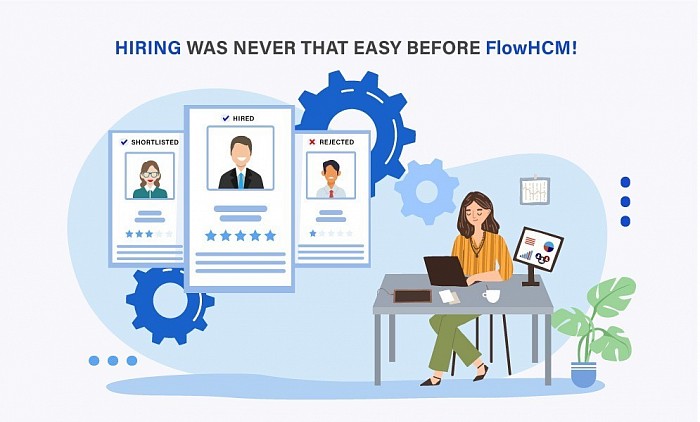
Why is HRMS Software Essential for Small Businesses?
Are you a small business enterprise wondering why HRMS software is important for your company? Read on to discover the benefits of implementing HRMS software in small businesses and how it can streamline your HR processes.
The importance of HRMS software for small businesses cannot be overstated. It’s not just about keeping track of employee data. It’s about recruiting the right talent, managing employee performance, ensuring compliance, handling payroll, and so much more. With HRMS software, small businesses can handle all these tasks efficiently and effectively.
In this blog post, we will explore the key benefits of implementing HRMS software in small businesses.
The Role of HR Software in SMEs
In the competitive landscape of small and medium-sized enterprises (SMEs), the twin pillars of efficiency and cost-effectiveness reign supreme. This is the arena where HR software for SMEs shines. Far from being a tool exclusive to large corporations, HR software can be a vital asset for SMEs, streamlining their HR processes and boosting overall productivity.
A. Automation: The Key Benefit
A significant advantage of HR software for SMEs is the automation of routine tasks. From tracking attendance to managing leaves, HR software can handle tasks that would otherwise require substantial manual effort. This conserves time and minimizes the risk of errors, ensuring precise and timely HR operations.
B. Beyond Automation: Insights and Analysis
The benefits of HR software extend beyond mere automation. HR software also offers valuable insights into the workforce, empowering businesses to make informed decisions. For example, by analysing attendance and performance data, businesses can spot trends, comprehend employee behaviour, and implement policies that enhance productivity and employee satisfaction.
C. Talent Management and HR Software
Furthermore, HR software can play a pivotal role in talent management. HR software can oversee the entire employee lifecycle from recruitment to onboarding to performance management. This ensures businesses can attract, retain, and nurture the right talent, a critical factor for their growth and success.
Choosing the Right HRMS Software for Your Business
● Crucial Decision: Choosing the right HRMS software is critical for your business. The ideal software can streamline your HR processes, enhance efficiency, and contribute to your business’s overall success.
● Understanding Your Needs: The first step is comprehending your business’s needs. Identify the HR tasks you wish to automate and the features that are most important to you. Determine whether you need a simple payroll system or additional features like recruitment and performance management.
● Ease of Use: Consider the software’s user-friendliness. HRMS software should have an intuitive interface that is easy for your HR team and employees. The primary goal of implementing HRMS software is to improve efficiency.
● Scalability: Take into account the software’s scalability. As your business grows and changes, your HRMS software should be able to adapt accordingly. Look for software that offers flexible plans and customizable features to fit your evolving needs.
● Cost: Finally, consider the cost of the software. While finding software that fits your budget is important, avoid choosing the cheapest option without considering its features and capabilities. The objective is to find software that offers the best value for your investment.
If you are looking for scalable HRMS software that can adapt to your growing business needs, OpportuneHR's HRMS software is a great option. With flexible plans and customisable features, it can easily accommodate your evolving requirements. Additionally, while being cost-effective, OpportuneHR's software ensures you get the best value for your investment by offering a wide range of features and capabilities.
In conclusion, HRMS software is an essential tool for small businesses. It’s a solution that can help businesses overcome HR management challenges, improve their efficiency, and pave the way for their success. So, if you’re a small business looking to improve your HR management, consider investing in OpportuneHR's HRMS software. It could be the game-changer you’ve been looking for.
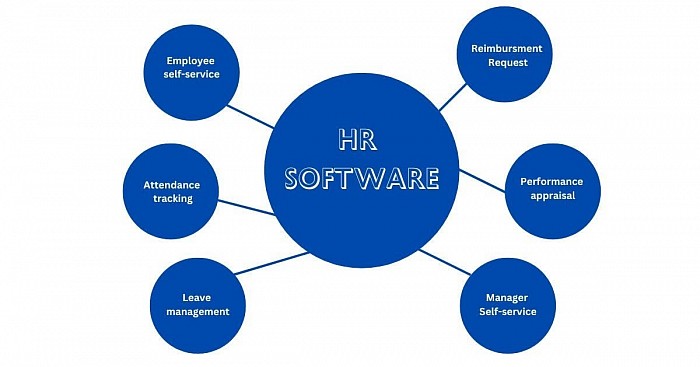
How Does HRMS Payroll Software Streamline HR Operations?
Are you a business owner looking to streamline your HR operations? Learn how HRMS payroll software can help you achieve this goal.
Running a business involves managing people, and that's where human resources (HR) comes in. But handling HR tasks, especially payroll ones, can get pretty tricky. That's where payroll management software steps in to help make things smoother.
The advent of HRMS software for small businesses has revolutionised the way these companies manage their human resources. No longer are small businesses hindered by the constraints of manual HR processes or the high costs of traditional HR systems.
In this blog, we will discuss how payroll management software can help small businesses streamline their HR processes and save time and money.
In HR operations, tracking employee attendance is a fundamental task. However, manual tracking can be time-consuming and prone to errors. This is where attendance software integrated within an HRMS comes into play, offering a more efficient and accurate solution.
Attendance software automatically records when employees start and end their work, including breaks and overtime. It eliminates the need for manual time sheets or punch cards, reducing administrative work and the potential for errors or fraud. This automation not only saves time but also ensures that employees are paid accurately for the hours they work.
Efficient Employee Data Management
Another significant feature of HRMS is its ability to manage employee data efficiently. HRMS is a central repository for all employee data, from personal details and employment history to performance evaluations and training records. This centralisation simplifies data management and facilitates report generation, analysis, and data-driven decision-making.
Another critical feature of HRMS that streamlines HR operations is its payroll management software. This tool automates the payroll process, from calculating salaries based on hours worked and overtime to deducting taxes and benefits. Automation not only eliminates the risk of human error but also ensures compliance with tax and labour laws, freeing up HR professionals to focus on more strategic tasks.
Streamlined Benefits Administration
Lastly, HRMS streamlines benefit administration. From enrollment and changes in coverage to compliance reporting and employee communication, HRMS automates and simplifies the entire benefits administration process. This automation not only saves time but also ensures accuracy and compliance with benefits regulations.
Pro Tips for Making the Most of HRMS Software
Task Automation: Employ HRMS software to mechanise routine tasks such as workforce coordination, payroll computation, and data scrutiny. Maximise Integrated Features: Fully exploit integrated attributes like recruitment and interview management workflows, performance evaluation tools, feedback mechanisms, reminders, and task lists for improvement. User Experience Simplification: Ascertain that the HRMS software is user-friendly for all stakeholders, including employees, HR personnel, and management. Support Resources Utilization: Leverage comprehensive support resources, including instructional guides and expert counsel, to thoroughly comprehend the platform’s capabilities and enhance its effective use. Scalability Assurance: Opt for an HRMS software that has the capacity to adapt and grow in line with your business requirements. Training Investment: Educate your HR team on how to use the software effectively. This will enable them to utilise the software’s features and functionalities fully.
Payroll management software within an HRMS streamlines payroll processing, ensuring accurate and timely payments while adhering to tax and labour laws. This saves time and builds employee trust, which is crucial for talent retention. Attendance software provides valuable data for payroll processing and workforce management, optimising operations, and decision-making. Automation of attendance tracking reduces administrative work and eliminates errors or fraud.
OpportuneHR's HRMS Software is highly scalable and a game-changer for small businesses, offering advanced HR functionalities at an affordable cost. As the business grows, the software scales, eliminating the need for multiple standalone systems and manual processes, making HR operations more efficient and cost-effective.
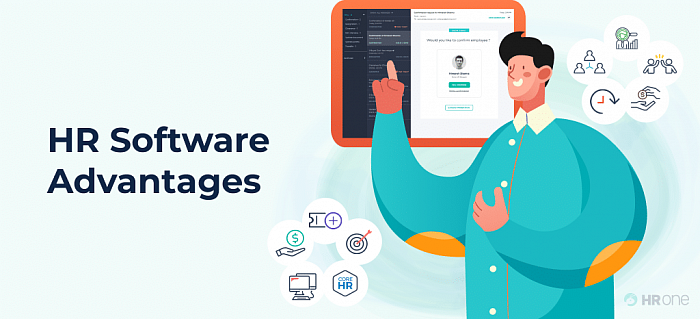
What Are the Benefits of HRMS and Payroll Software for Businesses?
HRMS and payroll software can help businesses streamline their HR and payroll processes, increase efficiency, and reduce errors. Learn more about the benefits of using HRMS and payroll software for your business.
Efficiency and productivity are necessities for achieving success in the fast-paced business world. One area where these factors play a crucial role is human resource management and payroll processing. This is where HRMS payroll software comes into the picture.
Managing HR and payroll can be quite challenging in a country like India, with its diverse workforce and complex labour laws. This is where OpportuneHR's Payroll software in India comes into play. This blog will discuss the various benefits of HRMS and payroll software for businesses in India.
Benefits of Using HRMS and Payroll Software
The benefits of using HR payroll software are manifold. These tools simplify and automate HR and payroll processes and bring about many other advantages that can significantly impact a business’s bottom line.
Increased Efficiency and Productivity
One of the standout benefits of these software solutions is the enhancement in efficiency and productivity. The automation of routine HR and payroll tasks liberates HR professionals to concentrate on more strategic tasks. This leads to a boost in productivity, enabling businesses to accomplish more in less time.
Another significant advantage is cost-effectiveness. While an upfront investment is involved in implementing HR payroll software, the long-term savings in terms of time, resources, and reduced errors can far outweigh the initial costs. Furthermore, many of these software solutions are scalable, meaning businesses only pay for the needed features.
Improved Data Management and Security
Improved data management and security is another key benefit. These software solutions provide a centralised platform for storing and managing all HR and payroll data. This not only simplifies data management but also bolsters data security. Moreover, with Payroll Software India, businesses can ensure compliance with various data protection laws in India.
Compliance with Legal and Tax Requirements
Compliance with legal and tax requirements is another area where these software solutions excel. Opportune’s Payroll software in India, for instance, is designed to comply with the various tax and labour laws in India. This ensures that businesses remain compliant and reduces the risk of legal issues.
Finally, many of these software solutions offer employee self-service options. This allows employees to access their payroll information, apply for leaves, submit claims, and more directly through the software. This improves employee satisfaction and reduces the workload on the HR department.
● OpportuneHR offers a comprehensive HRMS solution tackling standard and unique HR scenarios.
● It’s designed for SMEs with a modular and scalable design.
● OpportuneHR excels in deep automation of HR processes.
● It’s feature-rich, addressing real-life HR scenarios from core HR to analytics and AI applications.
● The system ensures salary on a given date with a dependable payroll system.
● If your scenarios need advanced technology, OpportuneHR has it.
● OpportuneHR’s approach results in a high client retention rate.
● It offers a mobile application with features like offline attendance, geo-fencing & tagging, selfie attendance, requests & approvals, ESS, and more.
● OpportuneHR provides an open API for seamless data flow and quick change requests.
● It offers real-time attendance and reduces biometric downtime by 95% with Biometric On Cloud.
● OpportuneHR provides easy access to self-data, attendance marking, leave application, requests to HR, payslips, and many such features via Employee Self-Service.
The benefits of HRMS and Payroll software for businesses are significant and far-reaching. Whether it’s increased efficiency, cost savings, improved data management, legal compliance, or employee satisfaction, these software solutions have much to offer. Therefore, it’s no surprise that more and more businesses are adopting these tools to streamline their HR and payroll processes. So, if you’re a business owner in India looking to improve your HR and payroll processes, adopting OppotuneHR services could be a step in the right direction.

The Benefits of HRMS Software for Employee Recognition Programmes
Are you worried about how to effectively implement employee recognition programmes in your organisation? HRMS software can help streamline and automate the process, making it easier for you to recognise and reward your employees. Read this blog to find out how!
HRMS software has become an essential tool for modern businesses, offering a wide range of benefits for various HR functions. One area where HRMS software can significantly contribute is in employee recognition programmes. By leveraging the capabilities of HRMS software, organisations can create a more efficient and effective system for acknowledging and rewarding their employees' hard work and achievements.
In this blog, we will explore the specific benefits that OpportuneHR's HRMS software brings to employee recognition programmes.
HRMS software, or Human Resource Management System software, is a comprehensive solution that integrates various HR functions into a single platform. It’s designed to streamline and automate HR processes, making it easier for HR professionals to manage their tasks and responsibilities. From recruitment and onboarding to payroll and benefits administration, HRMS software covers a wide range of HR functions.
A key feature of OpportuneHR's HRMS software is online payroll software. Payroll management can be a complex and time-consuming task, especially for large organisations with a significant number of employees. Online payroll software simplifies this process by automating various tasks such as salary calculation, tax deduction, and benefit administration. This not only saves time and effort but also reduces the risk of errors that can occur with manual processing.
Role of HRMS Software in Employee Recognition Programmes
One of the key advantages of using HRMS software for employee recognition programmes is its ability to provide real-time recognition. In a traditional setup, recognising an employee’s efforts might take time, and the impact of the recognition may diminish by the time it is delivered. However, with HRMS software, recognition can be instant. As soon as an achievement or milestone is reached, it can be acknowledged and rewarded, thereby enhancing the impact of the recognition.
Another benefit of using HRMS software for employee recognition programmes is its transparency. With all the data and information stored in a centralised system, it’s easy for both managers and employees to track and monitor recognition and rewards. This transparency not only ensures fairness but also promotes a culture of recognition within the organisation.
HRMS software also offers flexibility in terms of the types of recognition and rewards that can be offered. From monetary rewards and bonuses to non-monetary recognition like badges, certificates, and public acknowledgment, organisations can customise their recognition programmes to suit their needs and preferences.
Tips for Effectively Using HRMS Software for Employee Recognition
1. Define the Criteria for Recognition
Firstly, it’s important to clearly define the criteria for recognition. With HRMS software, you can set specific goals or milestones that employees need to achieve to be recognised. This not only ensures fairness but also motivates employees to perform better. Remember, recognition should be based on merit and performance, not favouritism or bias.
2. Utilise the Real-Time Recognition Feature
Secondly, make sure to use the real-time recognition feature of your HRMS software. As mentioned earlier, immediate recognition has a greater impact than delayed recognition. So, whether it’s a sales target achieved, a project completed, or a customer compliment received, make sure to recognise and reward the achievement as soon as it happens.
Thirdly, leverage the flexibility of your HRMS software to offer a variety of rewards. While monetary rewards are always appreciated, non-monetary recognition like public acknowledgment, certificates, or badges can also be very motivating. With HRMS software, you can easily manage and track these different types of rewards.
4. Regularly Review and Update Your Recognition Program
Lastly, remember to regularly review and update your recognition programme. Just like any other HR initiative, your recognition programme should evolve with your organisation. Use the data and insights from your HRMS software to continuously improve and enhance your programme.
HRMS software is much more than just a tool for managing HR processes. It’s a catalyst for creating a positive and engaging work environment where employees feel valued and recognised. So, whether you’re a startup in Kolkata or a multinational corporation, consider leveraging the power of OpportuneHR's HRMS software for your employee recognition programmes. After all, a recognised employee is a happy employee, and a happy employee is a productive employee.
