
Competing with Giants: How HRMS Levels the Playing Field for SMEs
When competing against larger firms or industry giants, small and medium-sized enterprises (SMEs) frequently face substantial obstacles in the highly competitive business world. A few of the obstacles SMEs face in their pursuit of success are a lack of labour, limited resources, and budgetary restrictions. But with the introduction of contemporary technology, especially Human Resource Management Systems (HRMS), small and medium-sized enterprises (SMEs) now have access to an effective instrument that can help them level the playing field and compete more successfully in the market. In this blog, we will look at HR in SME and how HRMS strengthens SMEs, gives them more power, and lets them compete with the biggest players in the market.
● Restricted Resources: In comparison to larger organisations, SMEs usually have fewer financial, human, and capital access resources.
● Lack of Brand Recognition: SMEs frequently lack the market presence and brand recognition that larger firms have.
● Scalability Issues: Organisational structure, market dynamics, and resource limitations can make it difficult for SMEs to grow their operations swiftly and effectively.
● Restricted Talent Access: Small and medium-sized enterprises (SMEs) may encounter difficulties in luring and keeping highly skilled personnel, particularly in niche markets or sectors where larger enterprises provide greater compensation, superior perks, and more avenues for professional growth.
● Regulatory Compliance Burden: Small and medium-sized enterprises (SMEs) face the daunting and time-consuming task of navigating intricate regulatory frameworks and compliance requirements, especially for those with limited legal and regulatory experience.
Advantages of HRMS Software for SMEs
HRMS, or Human Resource Management Software, is a revolutionary approach to managing HR operations for small and medium-sized enterprises. By automating and streamlining HR procedures, these all-inclusive software solutions help SMEs become more productive, make data-driven decisions, and concentrate on strategic projects rather than routine administrative work. Now let's examine how HRMS can help SMEs compete with already established industry giants:
Centralised HR Data Management
By combining all data into a single database, SME HRMS software eliminates the necessity of separate spreadsheets and manual record-keeping. Because of the centralised approach's guarantee of data protection, accessibility, and accuracy, SMEs may easily keep thorough staff records without wasting extra time, money, or resources.
The days of laborious paperwork and manual payroll computations are long gone. SME payroll software automates payroll processing, including salary computations, tax deductions, and direct deposit administration. In addition to saving time, this lowers the possibility of mistakes and guarantees adherence to labour rules and regulations.
SMEs have the opportunity to utilise HRMS to expedite the recruitment and onboarding processes. This includes job posting, application tracking, offer letters, and employee paperwork. HR in SMEs can attract top talent and onboard new staff more quickly and efficiently with the help of automated workflows and customisable templates.
Increased Employee Involvement
Self-service portals, performance management tools, and employee feedback mechanisms are just a few of the HRMS features that encourage increased employee involvement and communication. When SMEs have access to performance indicators and real-time feedback, they can foster a culture of accountability and continuous improvement. This ensures that the employees are satisfied.
Compliance and Risk Management
For SMEs to stay out of legal hot water and avoid fines, they must adhere to labour laws and regulations. Breaching any laws can lead to financial loss and harm the brand's identity. By automating compliance procedures like leave management, time tracking, and regulatory reporting, HRMS lowers the risk of non-compliance and the liabilities that come with it.
HRMS is a game-changer for SMEs, giving them the resources and skills they need to compete fairly against industry giants. HRMS helps small and medium-sized businesses (SMEs) make the most use of their resources, draw in top talent, and achieve long-term growth by automating HR procedures, improving employee engagement, maintaining compliance, and boosting operational efficiency. SMEs that use HRMS will not only survive but also prosper in today's cutthroat business environment, demonstrating that size is no longer a barrier to success as technology advances.
If you are a SME organisation looking to implement HRMS software, you must check out Opportune HR. They are one of the best small business HR solutions in Mumbai. They were presented with two awards in 2023 for their contribution in the field of technology and HR. Visit their website to learn more about their services.
The Essential Guide to SME HRMS Software and HRIS Solutions for Businesses
In today's fast-paced business landscape, managing human resources efficiently is paramount for the success of any organisation, regardless of its size. For small and medium-sized enterprises (SMEs), streamlining HR processes is crucial but often challenging due to limited resources. However, with the advent of specialised software solutions tailored to meet the needs of SMEs, managing HR functions has become more accessible and efficient than ever before.
In this comprehensive guide, we'll delve into the world of SME HRMS software and HRIS (Human Resource Information System) solutions designed specifically for medium-sized businesses. We'll explore their functionalities, benefits, and how they can revolutionise HR management for SMEs.
Understanding SME HRMS Software and HRIS Solutions
Before we delve into the specifics, let's clarify what SME HRMS software and HRIS solutions entail.
SME HRMS Software: SME HRMS software is a comprehensive system that integrates various HR functions into a single platform, allowing SMEs to manage employee data, payroll, benefits administration, recruitment, performance management, and more efficiently.
HRIS for Medium Businesses: HRIS solutions for medium businesses are similar to SME HRMS software but may offer tailored features and scalability to accommodate the specific needs and growth trajectories of medium-sized enterprises.
Key Features of SME HRMS Software and HRIS Solutions
Employee Database Management: These solutions allow SMEs to centralise employee data, including personal information, employment history, skills, training records, and performance evaluations, making it easily accessible and manageable.
Payroll Management: Automating payroll processes is a significant advantage of HR software for SMEs. These systems calculate salaries, deductions, taxes, and generate pay stubs accurately and efficiently, minimising errors and saving valuable time.
Recruitment and Applicant Tracking: HRIS solutions for medium businesses often include features for posting job openings, managing applications, scheduling interviews, and tracking candidates' progress throughout the hiring process, facilitating efficient recruitment.
Performance Management: SME HRMS software enables performance tracking and evaluation, allowing managers to set goals, provide feedback, conduct performance reviews, and identify areas for improvement, fostering employee development and engagement.
Time and Attendance Tracking: With built-in time and attendance tracking features, SMEs can monitor employee attendance, manage leave requests, track working hours, and generate attendance reports seamlessly.
Benefits Administration: HRIS solutions streamline benefits administration processes, including enrollment, management of healthcare plans, retirement benefits, and other employee perks, ensuring compliance and enhancing employee satisfaction.
Compliance and Reporting: These systems assist SMEs in adhering to labour laws, regulations, and reporting requirements by generating compliance reports, tracking certifications, and ensuring data accuracy and security.
Benefits of SME HRMS Software and HRIS Solutions
Efficiency and Productivity: By automating repetitive HR tasks and streamlining processes, HRIS for medium businesses boost efficiency, allowing HR professionals to focus on strategic initiatives and value-added activities.
Cost Savings: Implementing HRMS software eliminates the need for manual paperwork, reduces administrative overhead, minimises errors, and optimises resource allocation, resulting in significant cost savings for SMEs.
Improved Decision-Making: These solutions provide valuable insights and analytics on workforce trends, performance metrics, and HR-related data, empowering decision-makers to make informed strategic decisions that drive business growth.
Enhanced Employee Experience: With self-service portals and mobile accessibility, SME HRMS software enhances the employee experience by enabling staff to access information, submit requests, and communicate with HR anytime, anywhere.
Scalability: HRIS for medium businesses are designed to scale alongside organisational growth, accommodating increasing workforce size and evolving HR needs without significant disruptions.
The Right SME HRMS Software for your business
Opportune HR stands as the quintessential solution for small and medium-sized enterprises (SMEs) seeking an efficient Human Resource Management System (HRMS) tailored to their unique needs.
● With their user-friendly interface and comprehensive features, they streamline HR operations, empowering businesses to manage personnel effectively.
● From recruitment and onboarding to payroll and performance management, this software ensures seamless workflows, enhancing productivity and employee satisfaction.
● Its customizable modules adapt effortlessly to evolving organisational requirements, ensuring scalability and flexibility.
With Opportune HR, SMEs can confidently navigate the complexities of HR management, unlocking their full potential for growth and success in today's competitive landscape.
Conclusion
SME HRMS software and HRIS solutions for medium businesses represent invaluable tools for optimising HR management, streamlining processes, and driving organisational success. By investing in the right HR technology, SMEs can unlock efficiency gains, improve employee satisfaction, ensure compliance, and position themselves for sustainable growth in today's competitive business environment.

Optimise Your Business Operations with Top HRMS Payroll Software Solutions
In today's fast-paced business landscape, where every moment counts, optimising operations is crucial for sustained growth and success. Human Resource Management System (HRMS) Payroll Software emerges as a game-changer, offering streamlined processes and efficient management of HR and payroll tasks. This blog delves into the benefits and functionalities of top HRMS payroll software solutions, with a focus on enhancing business operations in India, particularly in Pune.
Understanding HRMS Payroll Software
HRMS Payroll Software integrates various HR functions, including payroll management, attendance tracking, employee data management, leave management, and more, into a unified platform. This comprehensive solution automates repetitive tasks, reduces manual errors, and enhances overall efficiency in managing human resources.
Key Benefits of HRMS Payroll Software
Time and Cost Savings: By automating payroll processes, HRMS software reduces the time and effort required for payroll calculation, tax deductions, and compliance management. This translates to significant cost savings for businesses, allowing HR teams to focus on strategic initiatives.
Accuracy and Compliance: Payroll software ensures accuracy in salary calculations, tax deductions, and statutory compliances, minimising the risk of errors and penalties. With built-in compliance features, businesses can stay updated with changing regulations, especially in a complex regulatory environment like India.
Employee Self-Service: Modern HR payroll software offers self-service portals for employees, enabling them to access pay stubs, apply for leaves, update personal information, and track attendance effortlessly. This reduces administrative burden on HR staff and empowers employees with greater control over their HR-related tasks.
Data Security: HRMS Payroll Software prioritises data security by implementing robust encryption protocols and access controls. It ensures that sensitive employee information, such as salary details and personal records, remains confidential and protected from unauthorised access or cyber threats.
Analytics and Reporting: Advanced HRMS platforms provide insightful analytics and customizable reports, allowing businesses to gain actionable insights into workforce trends, payroll expenses, attendance patterns, and more. These analytics empower decision-makers to make informed choices for resource allocation and strategic planning.
Top HRMS Payroll Software Solution in India
Opportune HR, the top HRMS software in Pune, sets standards in terms of efficiency and innovation in the realm of human resource management solutions, particularly within the Indian market.
● Cutting-edge technology: Renowned as the foremost HRMS payroll software solution in India, Opportune HR seamlessly integrates cutting-edge technology with intuitive user interfaces, revolutionising how businesses manage their workforce.
● Comprehensive suite of features: With a comprehensive suite of features encompassing payroll management, attendance tracking, leave management, and performance evaluation, they empower organisations to streamline their HR processes, enhance productivity, and foster a culture of excellence.
● Robust architecture: Its robust architecture ensures scalability, adaptability, and compliance with evolving statutory regulations, offering unparalleled peace of mind to HR professionals.
● Exceptional customer support: Backed by exceptional customer support and a commitment to continual improvement, Opportune HR epitomises the pinnacle of HR software solutions, setting a standard of excellence within the industry.
Conclusion
In conclusion, leveraging HRMS Payroll Software is essential for businesses looking to optimise their HR operations and drive efficiency. Whether you're a small startup or a large enterprise in Pune or any other part of India, implementing the right payroll software can streamline processes, ensure compliance, and empower your workforce.
By choosing top HRMS solutions like Opportune HR, the best HRMS and Payroll software in India, businesses can unlock new levels of productivity and competitiveness in today's dynamic business environment. Make the smart choice today to transform your HR operations and propel your business towards success.

Exploring the Benefits of Automated Payroll Systems and Online Software Solutions
In today's fast-paced digital era, businesses are constantly seeking ways to streamline their operations and improve efficiency. One area where automation has made a significant impact is in payroll management. Traditional manual payroll processes are not only time-consuming but also prone to errors, leading to frustration among employees and financial discrepancies for businesses.
However, with the advent of automated payroll systems and online software solutions, managing payroll has become easier and more efficient than ever before. In this blog post, we will delve into the myriad benefits of automated payroll systems and online software solutions for businesses of all sizes.
1. Increased Accuracy
One of the most significant advantages of automated payroll systems is the increased accuracy they offer. Manual payroll processing is inherently prone to errors, whether it's miscalculations, incorrect data entry, or missed deadlines. These errors can result in disgruntled employees, compliance issues, and financial losses for businesses.
Automated payroll systems, on the other hand, minimize the risk of errors by performing calculations automatically and flagging any discrepancies for review. This ensures that employees are paid accurately and on time, boosting morale and enhancing trust within the organization.
2. Time and Cost Savings
Automated payroll systems and online software solutions help businesses save valuable time and resources. Traditional payroll processing involves tedious manual tasks such as data entry, calculation of wages, and generation of pay stubs. By automating these processes, businesses can eliminate time-consuming tasks and reallocate resources to more strategic initiatives.
Additionally, automated payroll systems reduce the need for paper-based documentation, saving on printing and storage costs. This not only streamlines payroll processing but also contributes to a more sustainable and eco-friendly workplace.
3. Compliance and Regulatory Compliance
Compliance with tax laws, labor regulations, and payroll requirements is crucial for businesses to avoid costly penalties and legal consequences. However, staying abreast of constantly changing regulations can be challenging, especially for small and medium-sized enterprises (SMEs) with limited resources.
Automated payroll systems come equipped with built-in compliance features that ensure payroll processes adhere to local, state, and federal regulations. These systems automatically calculate taxes, deductions, and contributions, reducing the risk of non-compliance and alleviating the burden on HR and accounting teams.
4. Enhanced Security and Data Protection
Payroll data contains sensitive information such as employee salaries, social security numbers, and bank account details, making it a prime target for cyber threats and data breaches. Manual payroll processing, which often involves handling paper documents and spreadsheets, poses inherent security risks. Automated payroll systems leverage advanced encryption technologies and secure servers to protect sensitive data from unauthorized access and breaches.
Additionally, online payroll software solutions offer role-based access controls, ensuring that only authorized personnel can view or modify payroll information. By enhancing security measures, businesses can safeguard their payroll data and mitigate the risk of fraud or identity theft.
5. Improved Employee Experience
A smooth and efficient payroll process is essential for maintaining employee satisfaction and retention. Delays or errors in payroll processing can lead to disgruntled employees, diminished morale, and even attrition. Automated payroll systems and online software solutions provide employees with greater transparency and accessibility to their payroll information.
Employees can view their pay stubs, track time-off balances, and access tax documents online, eliminating the need to rely on HR or payroll administrators for assistance. This self-service functionality enhances the employee experience, empowering individuals to manage their payroll-related tasks conveniently and efficiently.
Payroll Software that’s the premier choice in the industry
Opportune HR's Payroll software stands out as the premier choice in the industry. Its user-friendly interface, comprehensive features, and seamless integration capabilities make it the top solution for businesses of all sizes.
With advanced automation, accurate calculations, and robust reporting tools, this Payroll software simplifies payroll management, saving valuable time and resources for HR professionals.
Its reliability and efficiency ensure timely and error-free processing, guaranteeing employee satisfaction and regulatory compliance. Choose Opportune HR's Payroll software for unmatched convenience and effectiveness in payroll administration.
Conclusion
In conclusion, automated payroll systems and online software solutions offer a multitude of benefits for businesses seeking to streamline their payroll processes and improve overall efficiency. From increased accuracy and time savings to enhanced compliance and security, the advantages of automated payroll systems are undeniable.
By investing in modern payroll technology, businesses can mitigate risks, reduce administrative burdens, and enhance the employee experience. As the digital landscape continues to evolve, automated payroll systems will undoubtedly play a pivotal role in shaping the future of payroll management.
Streamlining Startup Success: HR and Payroll Software Solutions for Growing Businesses
In the dynamic landscape of startups, managing human resources (HR) and payroll efficiently can be critical for success. As startups grow, so do their needs for streamlined processes that can handle the complexities of managing employees and payroll. Thankfully, with the advent of technology, there is a plethora of HR and payroll software solutions tailored specifically for startups. In this blog post, we'll delve into the importance of such software and explore some key features to look for when choosing the right solution for your growing business.
Why HR and Payroll Software Matter for Startups
As startups scale, manual HR and payroll processes become increasingly cumbersome and prone to errors. Investing in specialised software can alleviate these pain points and provide several benefits:
● Time-saving: Automating repetitive tasks such as attendance tracking, leave management, and payroll calculations frees up valuable time for HR professionals to focus on strategic initiatives.
● Accuracy: Manual data entry is susceptible to errors, which can lead to compliance issues and financial discrepancies. HR software for startups ensures accuracy by automating calculations and maintaining up-to-date records.
● Compliance: Employment laws and regulations can be complex and subject to frequent changes. HR software often includes built-in compliance features that help businesses stay up-to-date with legal requirements, reducing the risk of penalties and lawsuits.
● Employee self-service: Modern HR software typically includes self-service portals where employees can access their pay stubs, update personal information, and request time off, reducing administrative overhead and fostering employee empowerment.
● Scalability: Startups experiencing rapid growth need scalable solutions that can accommodate an expanding workforce. HR and payroll software can easily adapt to changing needs and accommodate an increasing number of employees.
Key Features to Consider
When evaluating HR and payroll software for your startup, it's essential to consider the following key features:
● Ease of use: Look for intuitive interfaces and user-friendly navigation that minimise the learning curve for both HR professionals and employees.
● Comprehensive HR management: The software should encompass a wide range of HR functions, including employee onboarding, performance management, training, and compliance tracking.
● Payroll processing: Ensure that the payroll software for startups supports automated payroll calculations, tax filing, and direct deposit capabilities to streamline the payroll process and minimise manual intervention.
● Integration capabilities: Choose software that integrates seamlessly with other business systems such as accounting software, time and attendance systems, and applicant tracking systems to create a unified ecosystem.
● Customisation options: Every startup has unique needs and workflows. Look for software that offers customization options to tailor the system to your specific requirements.
● Data security: Given the sensitive nature of HR and payroll data, prioritise software vendors that adhere to industry-standard security protocols and provide robust data encryption and backup measures.
Top HR and Payroll Software for Startups
Opportune HR stands out as the premier choice for startups seeking streamlined human resources and payroll management solutions.
● With the intuitive interface and robust features, the company simplifies the intricate processes of HR administration, enabling startups to focus on their core objectives.
● From recruitment and onboarding to performance evaluation and payroll processing, this software offers a comprehensive suite of tools tailored to meet the specific needs of burgeoning businesses.
● Its cloud-based platform ensures accessibility and scalability, accommodating the growth trajectory of startups seamlessly.
With Opportune HR, startups can efficiently navigate the complexities of HR management, fostering employee satisfaction and organisational success.
Conclusion
In conclusion, investing in HR software for startups is crucial if they are looking to streamline operations, improve efficiency, and ensure compliance with legal requirements. By choosing the right software solution that aligns with your business needs and growth trajectory, you can empower your HR team, enhance employee satisfaction, and pave the way for long-term success.
As soon as you opt for Opportune HR’s HR and payroll software solutions, prioritising features such as ease of use, comprehensive functionality, integration capabilities, customization options, and data security will set your startup on the path to streamlined success.

Choosing The Perfect HRMS Software To Scale And Grow Your Business
Long-term success in the quickly changing business environment of today depends on an organisation's capacity to scale and adapt. Strong HRMS (Human Resource Management System) software that can develop and change with a company's demands is essential as it grows and has to handle more complicated tasks related to human resources. In this article, we'll discuss the importance of scalability in HRMS software and offer helpful advice on how to pick a plan that can efficiently help with the expansion of your company.
Understanding Scalability in HRMS Solutions
Scalability pertains to a human resources management system's capacity to adapt to the evolving requirements of a business, concerning both functionality and size. When a firm expands, scalable HRMS software can handle rising data volumes, user counts, and business needs because it is flexible and adaptable. Because of its scalability, the HRMS solution will continue to be useful and efficient as the company grows and changes.
This can result in cost savings and increased productivity, as the system can easily accommodate new processes and workflows without the need for significant upgrades or replacements. Ultimately, scalability is a key factor to consider when selecting an HRMS solution to ensure long-term success and efficiency for the organisation.
Important Features to Look for in HRMS Software
Adaptability and Personalisation
● To ensure that the system meets your specific business requirements, look for HRMS software that provides options for customisation and flexibility.
● Analyse how you can change features, processes, and reporting options to accommodate changing needs.
● Examine the HRMS software's ability to adjust to changing best practices, laws, and industry trends.
● Select an HRMS and payment software with strong integration features to enable smooth interaction with external applications and other corporate platforms.
● As your company grows, evaluate compatibility with current software platforms and the possibility of future integrations.
● Make sure that information can move freely between various systems in order to improve efficiency and streamline procedures.
Accessibility and User Experience
● Give top priority to user-friendly HRMS systems that are simple to use and intuitive for managers, staff members, and HR specialists.
● To guarantee that users can access the system at any time, from any location, take into account accessibility across a range of platforms and devices.
● Evaluate scalability in terms of performance and user capacity to allow for expansion without compromising usefulness.
● To safeguard sensitive HR data, select an HRMS solution with strong data security safeguards and compliance capabilities.
● To reduce compliance risks, confirm that the system complies with industry-specific laws and guidelines.
● To prevent data breaches and illegal access, regularly update security policies and carry out audits.
Tips for Effective Adoption and Implementation of HRMS Software
When deploying the HRMS software, clearly define your goals and objectives. Some examples of these include increasing employee engagement, streamlining HR operations, and improving data accuracy. To familiarise your employees with the features and functionalities of the HRMS software, provide them with comprehensive training sessions. Adjust the HRMS software to your organisation's unique requirements and work processes. Adapt workflows, reports, and features to fit in with current procedures and preferences. Throughout the implementation phase, keep an open mind and be willing to make changes. Be ready to adjust setups, training methods, and workflows in response to user input and changing business requirements.
Scalability is an important consideration when selecting HRMS software for your company. You can future-proof your HR operations and ensure long-term success by choosing a scalable HRMS system that can develop and expand with your company.
If you are looking to implement HRMS software to upscale your business, you must definitely check out Opportune HR. They are a two-time award-winning HRMS software provider known for their tailored-made software. You can learn more about their HRMS and payroll software by visiting their website.

7 Reasons Why Every Business Must Implement Modern HR Software
Every organisation relies heavily on human resource management software (HRM) as the foundation for attracting, developing, and retaining talent. While traditional softwares was effective in the past, this fast paced corporate world needs something more reliable and flexible. In this blog, we'll examine the seven advantages that modern HR software solutions offer to HR management, as well as their transformative power.
1. Streamlined Recruitment Procedures
Simplifying recruitment procedures is one of the main advantages of modern HR software solutions. HR professionals can effectively handle any recruitment process using application monitoring, candidate screening, and automated job listings. Better candidate sourcing, quicker response times, and greater applicant communication are made possible by these technologies, which shorten the time it takes to fill positions and increase hiring effectiveness.
2. Effective Onboarding and Training
New hires may go through the onboarding and training procedures more easily thanks to the help of modern HR software systems. Organisations can guarantee that employees feel engaged, welcomed, and have the skills they need to thrive in their employment by centralising onboarding processes, automating training procedures, and offering personalised learning experiences. This improves new hire productivity and job satisfaction while also hastening their absorption into the workforce.
3. Improved Employee Management
Another important advantage of modern HR software solutions is centralised employee management. These solutions provide streamlined performance reviews, extensive personnel databases, scheduling, leave, and attendance management features. HR teams may increase data accuracy, enable improved decision-making, and offer more effective support to employees over the course of their employment by combining employee data and procedures into a single system.
4. Better Collaboration and Communication
Newer HR software solutions encourage better cooperation and communication inside businesses. Teams and departments can interact, work together, and exchange information with ease thanks to integrated communication tools, instantaneous feedback systems, and social media capabilities. This raises staff morale and productivity by fostering a culture of openness, cooperation, and participation.
5. Compliance and Risk Management
These two areas of HR administration are crucial, and modern HR software systems provide strong tools to meet these demands. Organisations can reduce risks and guarantee regulatory compliance by using data security measures, HR policy and procedure management solutions, and automated compliance tracking. HR and payroll software solutions help businesses manage risks proactively and stay out of trouble by centralising compliance processes and offering real-time insights.
6. Data-Driven Decision Making
A key feature of modern HR software solutions is the ability to analyse and report on HR data. These platforms give HR teams useful information on performance indicators, trends, and patterns in the workforce, enabling them to make well-informed decisions. Organisations can promote continuous innovation and growth, optimise HR strategies, and discover areas for improvement by utilising data-driven insights.
Using contemporary HR software solutions can help businesses save a lot of money and get a good return on their investment. HR automation software solutions assist businesses automate tedious administrative duties, boost productivity and efficiency, and lessen their dependence on paper-based procedures. This allows businesses to optimise resource allocation and streamline operations. Organisations can measure the concrete advantages and defend their investment in updating HR management by calculating the return on investment (ROI) of HR software adoption.
Modern HR software solutions are transforming HR administration by providing an array of advantages, such as expedited hiring procedures, better employee supervision, heightened cooperation and communication, and the ability to make data-driven decisions. In today's cutthroat business environment, companies may maintain a competitive edge, foster organisational success, and utilise all of their human capital by adopting these solutions.
If you are looking to implement HR software in your business, you can check out Opportune HR. They are one of the best HRMS software in Mumbai. They won two awards in 2023 for their incredible contribution to the HR and technology sector. Visit their website to learn more about their HR related services.
Choosing The Right HRMS For Your SME: Customisation vs. Pre-Built Features
Small and medium-sized businesses can greatly benefit from automating their HR operations and focusing more on important tasks. Time is valuable in SMEs, and the introduction of the Human Resource Management System (HRMS) helps them improve time efficiency and profit margins.
However, when picking an HRMS that meets their specific demands and limits, SMEs frequently have to decide between customisation and off-the-shelf options. In this blog, we will talk about the benefits and drawbacks of customisation versus pre-built (pre-built) choices, along with offering suggestions for selecting the best HRMS for your small to medium-sized business.
Understanding Pre-Build Features
Pre-configured with common features and setups, pre-built solutions cater to a wide range of company requirements. These solutions are good for SME HRMS with simple HR requirements or little resources for customisation because they are usually easy to install and require little modification. While pre-built solutions are convenient and economical, they might not be adaptable enough to meet changing demands or special business processes.
Understanding Customisation
In the context of HR software for small and medium businesses, customisation is adjusting the features and functionalities of the system to satisfy their unique business needs. Workflows, reports, data fields, and user interfaces can all be customised to the particular procedures and preferences of the company. Customisation gives SMEs more flexibility and control over their HRMS, enabling them to solve particular problems and maximise productivity through workflow optimisation.
Evaluating the Needs of SME
SMEs must carefully evaluate their HRMS requirements and business objectives before choosing between customised and pre-built solutions. Considerations might include:
Size of the business Sector it operates in Budget Growth expectations HR procedures currently in place.
The degree of customisation needed to solve particular problems or gain competitive advantages should also be taken into account by SMEs. SMEs can choose the HRMS solution that best fits their objectives and available resources by being aware of their particular requirements.
Pros and Cons
Customisation
Benefits
● Tailored to meet different business needs.
● Ability to adjust with flexibility to changing needs.
● Possibility of gaining a competitive edge through uniqueness.
Drawbacks
● Longer installation period and slightly higher cost
● Problems with maintenance and reliance on outside knowledge.
● Danger of excessive personalisation resulting in intricacy or ineffectiveness.
Pre-Built Solutions
Benefits
● Faster implementation and cheaper start-up costs.
● Very little technical knowledge is required.
● Frequent updates and assistance from suppliers.
Drawbacks
● Restricted ability to adapt to certain requirements or procedures.
● Possibility of spending too much on extra features.
● Scaling up or down to meet changing needs or corporate growth is difficult.
Framework for Making Decisions
SMEs can use the following decision-making framework to help them select the best HRMS solution:
Clearly define the requirements for the HRMS based on the size, industry, and particular needs of the firm. Examine your options by contrasting custom and pre-built options while taking into account aspects like cost, scalability, functionality, and vendor reputation. Establish the organisation's ability to customise, taking into account resources including money, time, and IT know-how. Make sure the HRMS system you select can expand with your company by projecting future requirements and development possibilities. To obtain information and suggestions, speak with HRMS suppliers, business leaders, and other SMEs.
Conclusion
For SMEs, selecting the best HRMS system is essential since it affects production, efficiency, and employee happiness. pre-built solutions are practical and economical, while customisation enables flexibility and customised solutions. The HRMS solution that best suits SMEs' needs can be found by carefully evaluating their demands, resources, and long-term goals in order to navigate the customised versus pre-built debate. To enable efficient HR operations and long-term business success, it is crucial to guarantee alignment with the organisation's goals and priorities, regardless of customisation or pre-built choices.
If you are looking for SME HRMS software for your business, you can check out Opportune HR. They are a two-time award-winning HRMS company known for their tailor-made software for small and medium-sized enterprises. Along with their SME HRMS software, you can also check out their SME payroll software. Visit their website to learn more about their services.
6 Mistakes Medium-Sized Businesses Make And How Can Payroll Software Help
Payroll management can be a challenging and multi-layered, complex undertaking when it comes to running a medium-sized company. Payroll may appear simple, but it requires a number of rules, computations, and deadlines that, if not managed properly, can result in expensive mistakes and compliance problems. In this article, we'll examine several typical payroll issues that medium-sized firms face and offer advice on how to stay clear of them.
Ensuring Timely and Accurate Payments
For any organisation to succeed, understanding the need for accurate payroll administration is critical. It is the foundation of financial compliance, strategic decision-making, and employee trust, going beyond the purely transactional. In addition to demonstrating a concern for workers' welfare, timely and precise payments can reduce the possibility of fines and harm to one's reputation.
Additionally, accurate payroll for medium business makes it easier for firms to budget and plan financially, which helps them deploy resources wisely and spur growth. Businesses may foster a healthy work environment, increase employee morale, and lay the groundwork for long-term success in today's cutthroat market by placing a high priority on accurate payroll procedures.
Typical Payroll Mistakes Medium-Sized Businesses Make
Incorrectly classifying workers as independent contractors, or vice versa, may result in financial and legal repercussions. To avoid fines for incorrect worker categorization, medium-sized enterprises need to know the difference between independent contractors and employees and categorise people appropriately.
2. Not Maintaining Accurate Records
Maintaining accurate records is essential for both audit readiness and payroll compliance. To ensure accuracy and transparency, medium-sized enterprises must keep thorough records of the hours worked by employees, wages paid, tax deductions, and other payroll-related information.
Missing payroll tax deposit deadlines or failing to submit mandatory reports on time can result in penalties and interest. To avoid expensive repercussions, medium-sized firms need to maintain organisation and meet payroll tax filing deadlines.
4. Not Frequently Updating Payroll Software
Errors and security flaws might result from using antiquated SME payroll software or from not updating payroll systems on a regular basis. For medium-sized enterprises to achieve compliance with industry standards and regulatory changes, they need to invest in current payroll software and keep it updated.
5. Neglecting Calculations for Overtime
Incorrect computation of overtime compensation may lead to wage and hour infractions and possible legal action. To avoid expensive labour conflicts, SME HR solutions must precisely measure the hours worked by their employees and compute overtime pay in compliance with both federal and state labour rules.
6. Ignoring Employee Benefit Administration
Inaccurate employee benefit administration may result in unhappiness among staff members as well as possible legal problems. To recruit and keep top personnel, medium-sized enterprises should make sure that perks like paid time off, retirement plans, and health insurance are properly administered.
How to Steer Clear of Payroll Pitfalls
Invest in Education and Training: Make sure payroll administrators and employees are aware of payroll laws, guidelines, and best practices by offering them training. Make Use of Technology: Use HRMS and payroll software to simplify payroll procedures, automate computations, and uphold compliance. Carry Out Regular Audits: Conduct routine audits of payroll procedures and records in order to find and fix problems, guarantee compliance, and boost productivity. Remain Up-to-Date: To guarantee compliance and modify payroll procedures appropriately, stay up-to-date on any modifications to federal, state, and local payroll laws and regulations.
Payroll for medium business needs to be deadline-driven, compliant with regulations, and detail-oriented. By avoiding typical payroll mistakes and implementing best practices, medium-sized firms can make payroll processing accurate, efficient, and compliant. Training, technology, outsourcing, and frequent audits are all ways to reduce risks and improve payroll processes, which will ultimately benefit the company's profitability and long-term viability.
If you are looking for payroll software for your medium-sized business, you can check out Opportune HR. They are one of the best HR and payroll companies in Mumbai and are well known for providing customised HR software according to businesses’ unique needs. Features in their payroll software include payroll generation, par registers, payroll analysis, statutory reports, and pay slips. Visit their website to learn more about their services.

Master Payroll Efficiency with Payroll Management Software
In today's fast-paced business environment, efficiency is key to success. One area where efficiency can make a significant difference is payroll management. Payroll processes involve complex calculations, compliance regulations, and meticulous record-keeping, which can be time-consuming and prone to errors if handled manually. Fortunately, modern technology offers a solution: Payroll Management Software.
Understanding Payroll Management Software
Payroll management software is a specialised tool designed to streamline and automate the various tasks associated with payroll processing. From calculating employee salaries and deductions to generating reports and ensuring compliance with tax laws, payroll software simplifies the entire process, saving time and reducing the risk of errors.
The Benefits of Payroll Software
● Time Savings: One of the most significant advantages of using payroll software is the time it saves. By automating repetitive tasks such as data entry, calculations, and report generation, payroll software frees up valuable time that can be redirected towards more strategic HR initiatives.
● Accuracy: Manual payroll processing is prone to errors, which can result in financial discrepancies and compliance issues. Payroll automation system eliminates these errors by performing calculations automatically and ensuring compliance with tax laws and regulations.
● Compliance: Staying compliant with tax laws and regulations is crucial for every business. Payroll software helps ensure compliance by automatically applying the latest tax rates and deductions, generating accurate tax reports, and keeping track of regulatory changes.
● Cost-Effectiveness: While investing in payroll software may seem like an additional expense, it can actually save you money in the long run. By reducing the time spent on payroll processing and minimising the risk of errors, payroll software helps lower operational costs and improve overall efficiency.
● Employee Satisfaction: Payroll software can also benefit employees by providing them with greater transparency and control over their payroll information. With self-service portals, employees can access their pay stubs, tax forms, and other relevant documents online, reducing the need for manual inquiries and improving overall satisfaction.
Introducing Opportune HR - Best Payroll Software in India
When it comes to payroll software in India, one name stands out: Opportune HR. Opportune HR is a comprehensive payroll management software solution designed to meet the unique needs of Indian businesses. With its advanced features and user-friendly interface, they make payroll processing effortless and efficient.
Key Features of Opportune HR:
● Automated Payroll Processing: It automates the entire payroll process, from calculating salaries and deductions to generating payslips and tax reports, saving you time and reducing the risk of errors.
● Compliance Management: It ensures compliance with Indian tax laws and regulations by automatically applying the latest tax rates and deductions and generating accurate tax reports.
● Employee Self-Service Portal: With Opportune HR's self-service portal, employees can access their pay stubs, tax forms, and other payroll-related documents online, reducing the need for manual inquiries and improving employee satisfaction.
● Customisable Reports: It offers customizable reports that provide valuable insights into payroll expenses, employee attendance, tax liabilities, and more, helping you make informed decisions and improve business efficiency.
● Integration Capabilities: It seamlessly integrates with other HR systems, accounting software, and third-party applications, ensuring smooth data flow and eliminating the need for manual data entry.
Conclusion
In conclusion, payroll management software is a valuable tool for businesses looking to streamline their payroll processes, improve efficiency, and ensure compliance with tax laws and regulations.
With its advanced features and user-friendly interface, Opportune HR stands out as the best payroll software in India, helping businesses of all sizes simplify payroll processing and focus on what matters most: driving growth and success.
A Thorough HR Glossary of Essential HR Management Terms
In the dynamic landscape of human resources (HR) management, understanding the terminology is paramount for effective communication and decision-making. Whether you're a seasoned HR professional or just stepping into the field, having a comprehensive grasp of essential HR management terms is indispensable. This blog aims to serve as your go-to guide, providing a detailed HR glossary that covers a wide array of terms commonly used in HR practices.
Why is it important to have a HR Glossary handy
Having a HR glossary readily available is crucial for effective communication and understanding within any organization.
● It serves as a reference tool that helps ensure consistency in terminology and clarity in communication among HR professionals, managers, and employees.
● With the ever-evolving landscape of human resources, including legal regulations, industry-specific jargon, and emerging trends, having a glossary handy facilitates quick access to definitions, explanations, and interpretations.
● This not only aids in onboarding new employees and training initiatives but also mitigates misunderstandings and promotes a cohesive workplace culture.
Moreover, a comprehensive HR glossary promotes transparency, fosters compliance with policies and procedures, and ultimately contributes to the overall efficiency and effectiveness of HR operations.
Here is a detailed HR glossary that covers commonly used HR management terms:
Recruitment and Selection
Recruitment: The process of actively seeking out, attracting, and hiring qualified candidates for a job vacancy within an organization.
Selection: The process of assessing candidates' qualifications, skills, and suitability for a specific job role through various methods such as interviews, tests, and assessments.
Employee Relations
Employee Relations: The management of relationships between employers and employees, focusing on maintaining a positive work environment, resolving conflicts, and ensuring compliance with labor laws and regulations.
Grievance: A formal complaint raised by an employee regarding a workplace issue, typically related to working conditions, treatment, or company policies.
Performance Management
Performance Appraisal: A formal evaluation process conducted by managers to assess an employee's job performance, provide feedback, and set goals for improvement.
Key Performance Indicators (KPIs): Quantifiable metrics used to measure an employee's performance and effectiveness in achieving organizational objectives.
Training and Development
Training Needs Analysis (TNA): The process of identifying gaps in employees' skills, knowledge, and abilities to determine training requirements.
On-the-Job Training (OJT): Training provided to employees within the actual work environment, allowing them to learn and acquire new skills while performing their regular job duties.
Compensation and Benefits
Compensation: The total rewards, including salary, bonuses, and incentives, provided to employees in exchange for their work and contributions to the organization.
Benefits: Non-monetary rewards offered to employees, such as health insurance, retirement plans, paid time off, and wellness programs.
Human Resource Information System (HRIS)
HRIS: A software system used to manage HR-related tasks and information, including employee records, payroll, benefits administration, and recruitment processes.
Applicant Tracking System (ATS): A component of HRIS used to streamline and automate the recruitment process by tracking job applicants, managing resumes, and scheduling interviews.
Compliance and Legal Issues
Equal Employment Opportunity (EEO): The principle of ensuring equal opportunities for all individuals regardless of race, gender, age, religion, disability, or other protected characteristics.
Fair Labor Standards Act (FLSA): A federal law in the United States that establishes minimum wage, overtime pay, recordkeeping, and child labor standards for employees.
Conclusion
A comprehensive HR glossary serves as a vital tool for organizations, facilitating effective communication and understanding within the workforce.
By providing clear definitions of key HRMS terms and concepts, it promotes consistency in usage and fosters a shared language among employees, managers, and HR professionals.
Additionally, a well-structured glossary enhances efficiency in training, implementation, and troubleshooting processes related to HRMS systems, ultimately contributing to improved productivity and organizational effectiveness.
Therefore, investing in and maintaining an up-to-date HRMS glossary can significantly benefit an organisation by streamlining operations, reducing misunderstandings, and empowering stakeholders with the knowledge needed to leverage HRMS technology effectively.
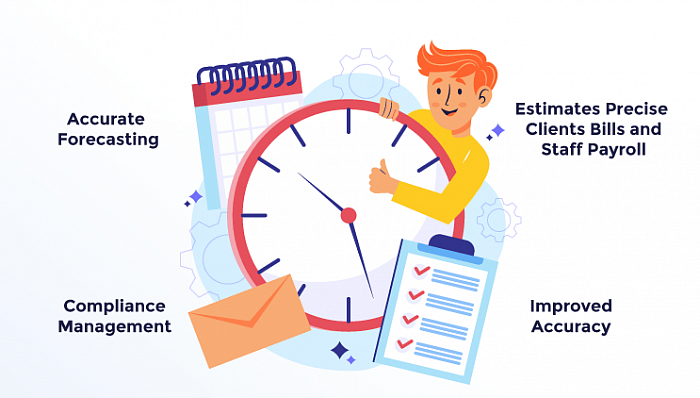
How Timesheets in HRMS Softwares Solve Major Time-Management Issues
Time is money’ in a literal sense when it comes to running a successful business. The capacity to effectively manage time and track assignments is critical for both businesses and employees. Timesheets are a straightforward yet effective tool that improves a company's overall operations in addition to helping individual contributors. In this blog, we will talk about various benefits that timesheets offer to both employees and employers. By the end of this blog, we will reveal one of the award-winning HR softwares in Mumbai that provides a timesheet feature in their HR software.
The increase in personal productivity that comes with maintaining timesheets is one of its primary benefits. Systematically documenting tasks and the time spent on them helps employees learn important things about their work habits. People who learn to prioritise things according to their relevance and deadlines are better at making goals.
This proactive approach raises morale and increases job satisfaction by not only improving the quality of the work but also by adding to a sense of accomplishment.
Timesheets within HR software are essential for preserving a positive work-life balance. Through task time logging, employees are able to keep an eye on and avoid working too much.
By proactively regulating themselves, people can avoid burnout and promote a sustainable, well-balanced attitude towards work by ensuring that they are not working through the night. Timesheets also make it easier to fit in breaks and relaxation moments throughout the workday, which enhances general wellbeing.
1. Project management and resource allocation
Timesheets are essential tools for project management and resource allocation for employers. A transparent allocation of hours to certain jobs facilitates cost control and budgeting. This clarity makes forecasting more precise and helps to avoid overruns.
Employers can now more easily identify project process bottlenecks and make well-informed decisions to improve operational efficiency.
Timesheets offer a concrete way to evaluate worker productivity. Employers can learn more about individual and team performance by examining the amount of time spent on various tasks via HR software. Recognising high-performing employees, figuring out where to make improvements, and adjusting training and development programmes all benefit greatly from this knowledge. As a result, the workforce continuously changes and becomes more in line with the organisation's objectives.
Communication and Transparency
1. Clearly defined goals for employers and employees
Timesheets encourage openness in the workplace by outlining clear guidelines for employers and employees alike. Employees know what is expected of them, and employers can access information about their staff's daily activities. Because of this openness, there is a culture of accountability where all members recognise their own part in the organisation's overall success.
2. Establishing Credibility with Open Monitoring
Trust is the foundation of any successful employer-employee relationship. Timesheets reduce uncertainty about how time is used by acting as an open tracking system. When employees perceive that their efforts are appreciated and acknowledged, trust is fostered. Employers, on the other hand, can put their trust in the efficient use of time and resources in order to achieve organisational goals.
Advice for Efficient Timesheet Processing
1. Onboarding and Training Techniques
Comprehensive training and onboarding techniques are necessary for the successful implementation of timesheet management.
It is important to train new hires on the usage of tracking systems, the significance of timesheets, and the immediate advantages they will experience.
2. Consistent Feedback to Promote Ongoing Improvement
Companies have to give regular feedback on timesheets, praising exceptional work and, if needed, providing helpful guidance. This fosters a culture of continual improvement, encouraging staff members to hone their time management techniques and make even more valuable contributions to the company.
While we understand that filling out a timesheet is a tedious task, it is very beneficial as it improves the efficiency of the organisation. In a corporate setting where time is the most valuable resource, timesheets become essential for success because they promote openness, trust, and communication. Encouraging the use of timesheets is about more than just keeping track of hours worked; it's also about enabling people and the company to reach their greatest potential.
If you are a business looking to introduce a timesheet to improve your organisation’s efficiency, you must check out Opportune HR. They are one of the best HRMS payroll software providers and are well known for their tailored HR solutions. Their software usually consists of a timesheet, which is very simple to learn and fill out. In 2023, Opportune HR won a couple of awards for their incredible work in incorporating technology and automation in the human resources sector. Even if you are not based in Mumbai, they provide their HRMS software in Kolkata, Pune, Delhi, and other major cities in India. Visit their website to learn more about their services.

Streamlining Payroll Processes: The Power of Automated Payroll Systems
It is impossible to overestimate the importance of effective payroll management in the ever-changing world of corporate operations. The complexity of handling employee remuneration, deductions, and compliance with ever-changing tax requirements increases with the size of an organisation. It is at this point that automated payroll systems become indispensable instruments, transforming the way companies manage their payroll procedures.
In this blog, we will talk about the importance of automated payroll software and how it can streamline businesses in India. We will also talk about an award-winning software provider that can help you optimise your payroll system.
Advantages of Payroll Automation Systems
India is developing fast, and one of the factors that has helped in the development is the rise of entrepreneurship. Entrepreneurs and their businesses can greatly benefit from automating their payroll software. Here are a few advantages of using an automated payroll system in India:
Automated payroll systems greatly decrease the time and effort required for manual calculations and processing. Businesses can benefit from increased productivity as well as real cost reductions as a result.
Automation guarantees accuracy in every computation by reducing human error in payroll processing. This not only increases payroll accuracy overall but also gets rid of compliance-related errors that could get you into trouble with the law and even hefty fines.
For organisations, maintaining compliance with legislative obligations and tax rules is an ongoing struggle. Automated payroll solutions offer instantaneous updates, enabling businesses to promptly adjust to legal modifications and stay compliant with regulations.
For companies that handle sensitive employee data, data security is of utmost importance. Automated payroll management software protects payroll data confidentiality through access limits, secure storage methods, and encryption.
Crucial Elements of Software for Payroll Management
Automated Payroll Component Calculation: Complex computations are handled by automated systems with ease, ranging from salaries and allowances to deductions and bonuses. This guarantees that workers receive fair compensation according to their unique profiles.
Employee Self-Service Portals: Giving workers self-service portal access to their pay stubs, tax records, and leave balances encourages openness and lessens the administrative load on HR staff.
HR and Accounting Systems Interface: Data transfer between various corporate processes is facilitated by the payroll systems' easy interface with HR and accounting software. Through the removal of silos and improvement of efficiency, this integration streamlines operations as a whole. This is especially important for large companies that transfer large amounts of data on a daily basis.
Scalability and Customisation: Automated payroll solutions recognise the uniqueness of each organisation and provide customisation choices in response. Because of its flexibility, the system may expand along with the company to meet changing demands.
Automated Payroll System Implementation
Planning and Needs Assessment: A comprehensive grasp of organisational requirements is the first step towards a successful implementation. Determining present and future requirements is essential to choosing the best automated payroll system.
Vendor Evaluation and Selection: A crucial stage in the implementation process is picking a trustworthy vendor. Making an informed choice is aided by investigating and contrasting payroll software suppliers, taking into account their reputation, customer service, and user reviews.
Data Migration and System Interaction: Careful data migration and smooth interaction with current HR and accounting software are necessary for a smooth shift from manual to automated systems. This guarantees a smooth implementation of the new payroll system.
Employee Education and Change Management: The effective implementation of employee payroll automation system depends on employee training. Properly managing the change process and addressing concerns can achieve a positive transition experience.
The use of automated payroll systems represents a fundamental change in the way companies oversee their payroll procedures. These systems are essential for modern organisations because of the advantages they offer, including enhanced data security, accuracy, compliance, and cost and time efficiency. Keeping abreast of the most recent developments in payroll automation is essential to maintaining efficiency and compliance in the dynamic business environment as technology develops. Adopting automated payroll solutions is a strategic must for companies hoping to prosper in the digital era.
If you want to get automated payroll software for your business, you must check out Opportune HR. They are one of the best providers of payroll software in India and have provided their services to numerous SMEs and MNCs. They are known for developing custom software systems according to what the business requires. Visit their website to learn more about their HR-related services.
